A Slow Stay
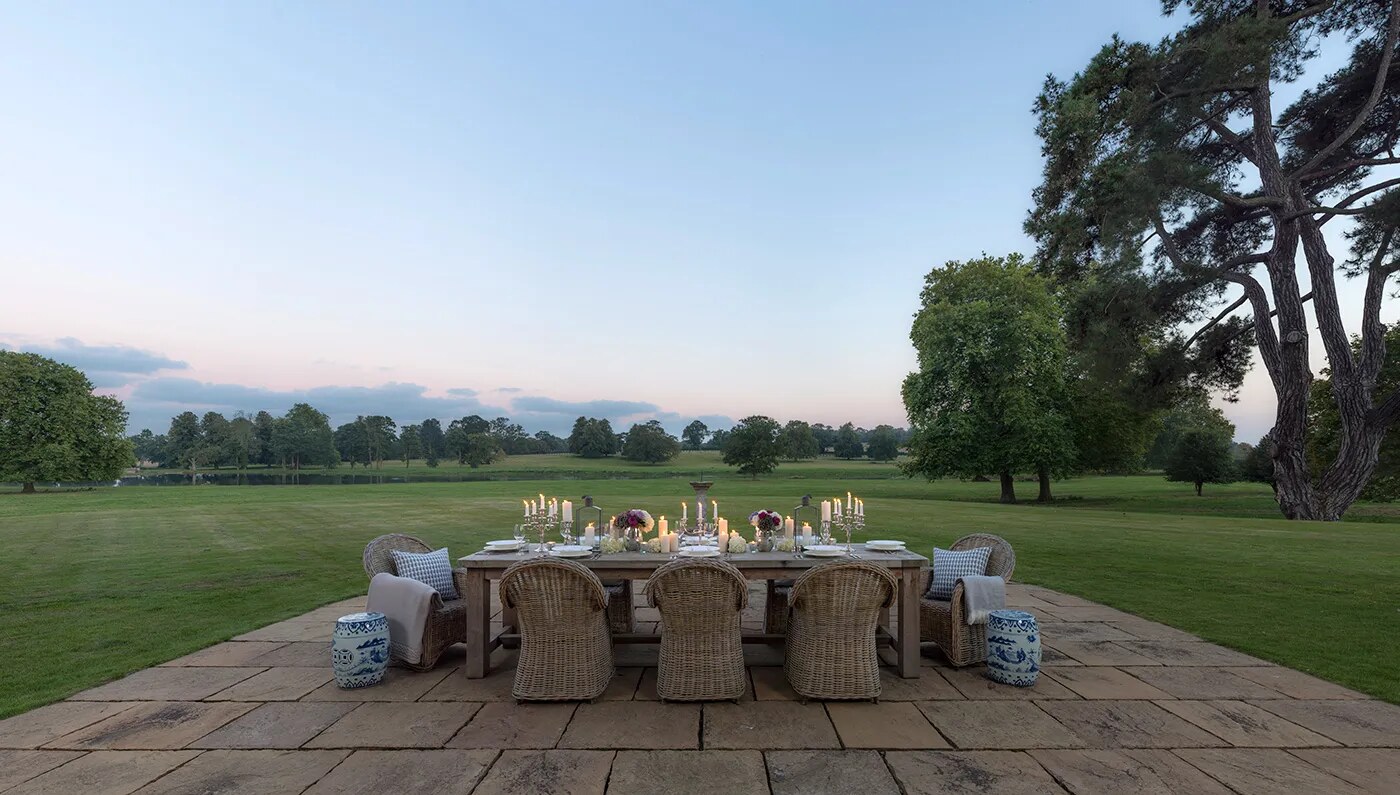
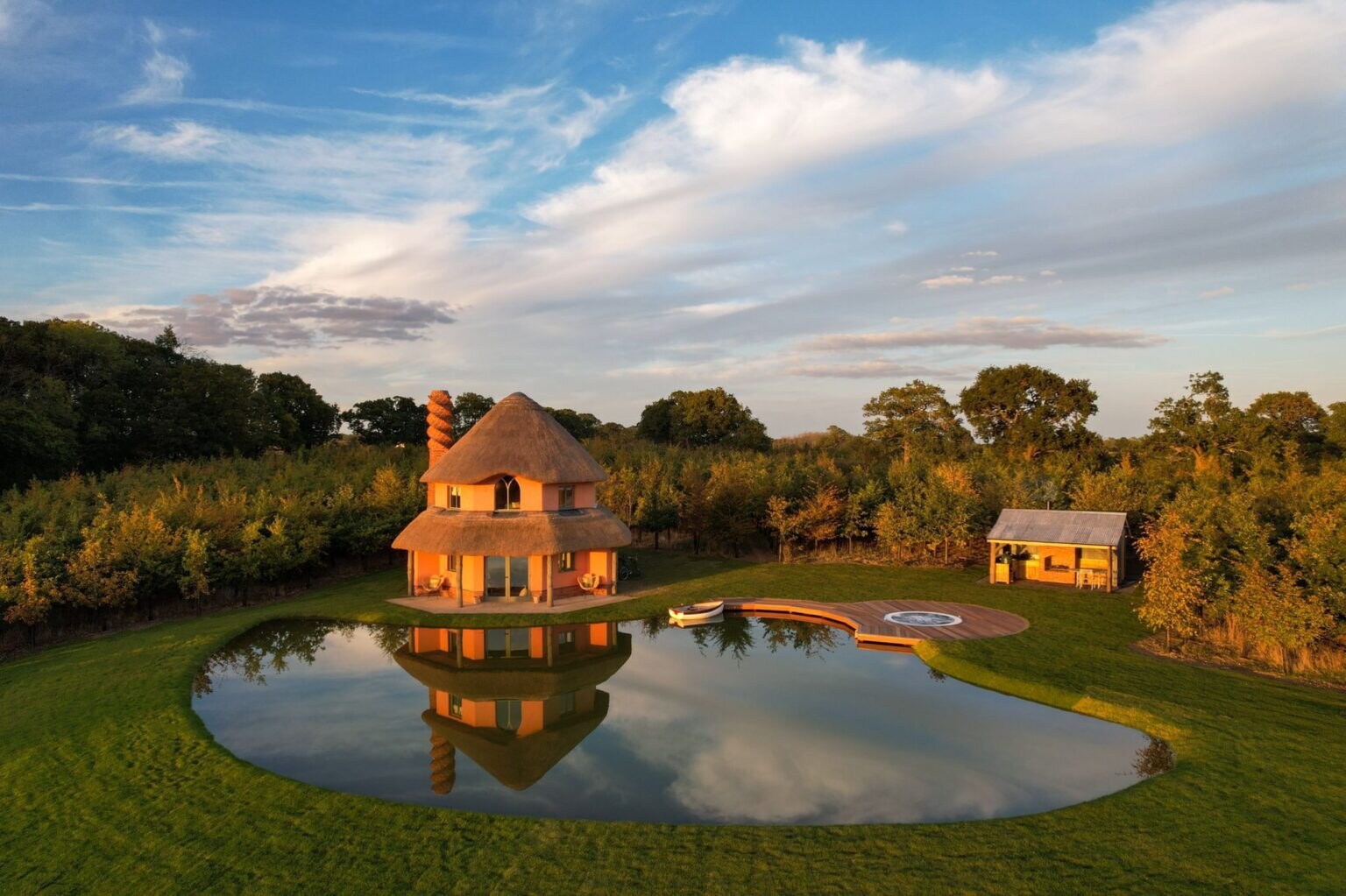
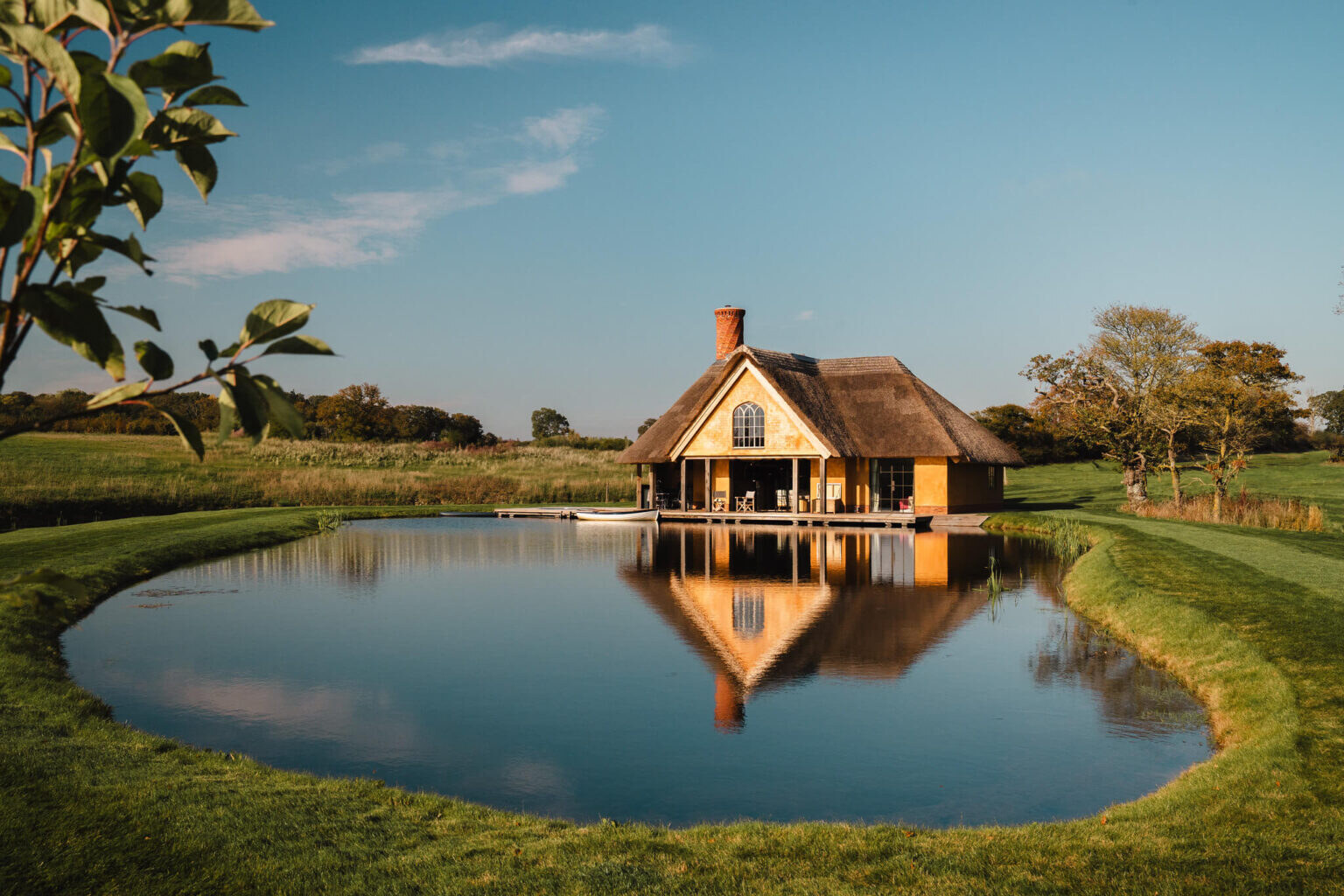
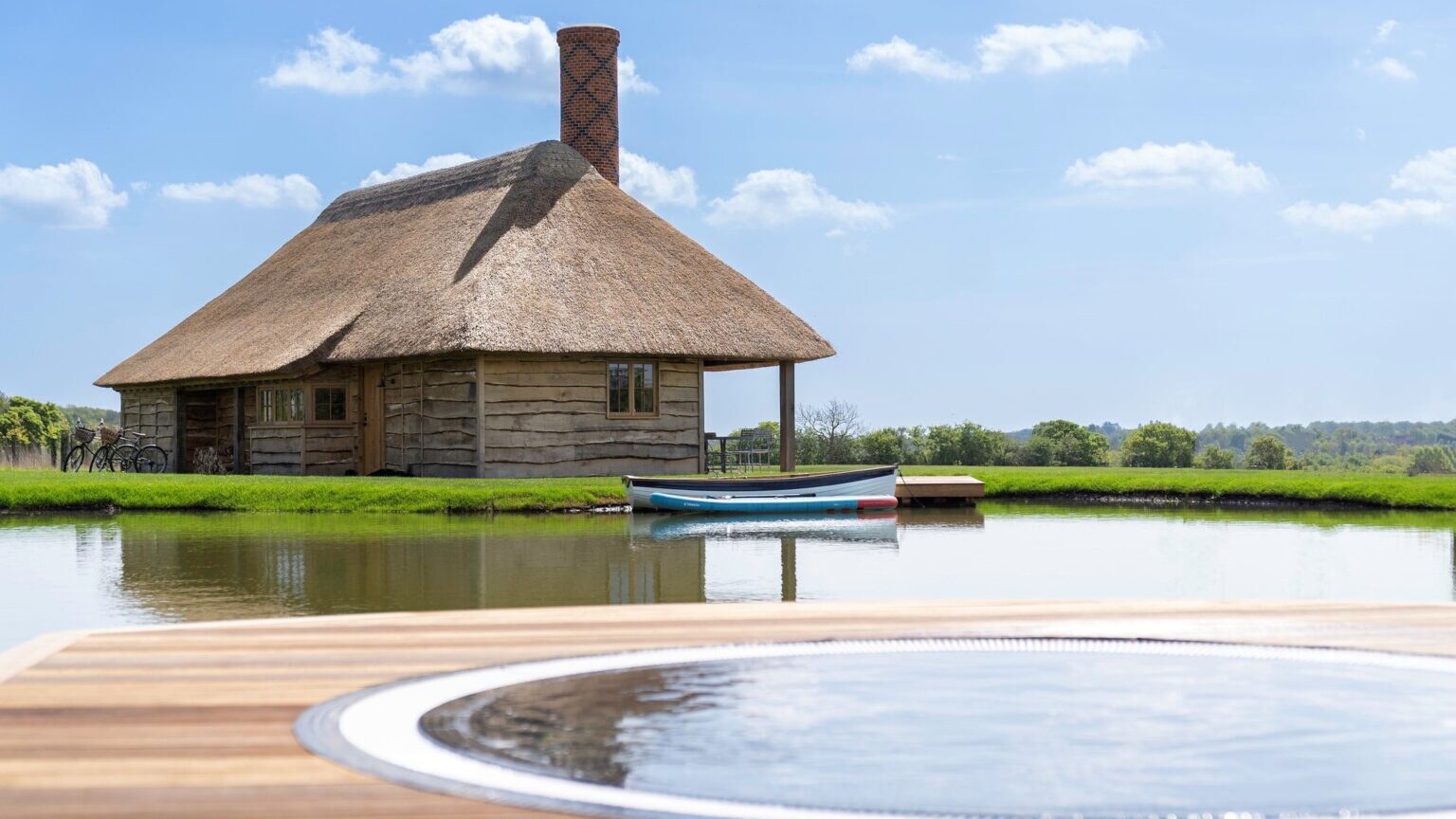
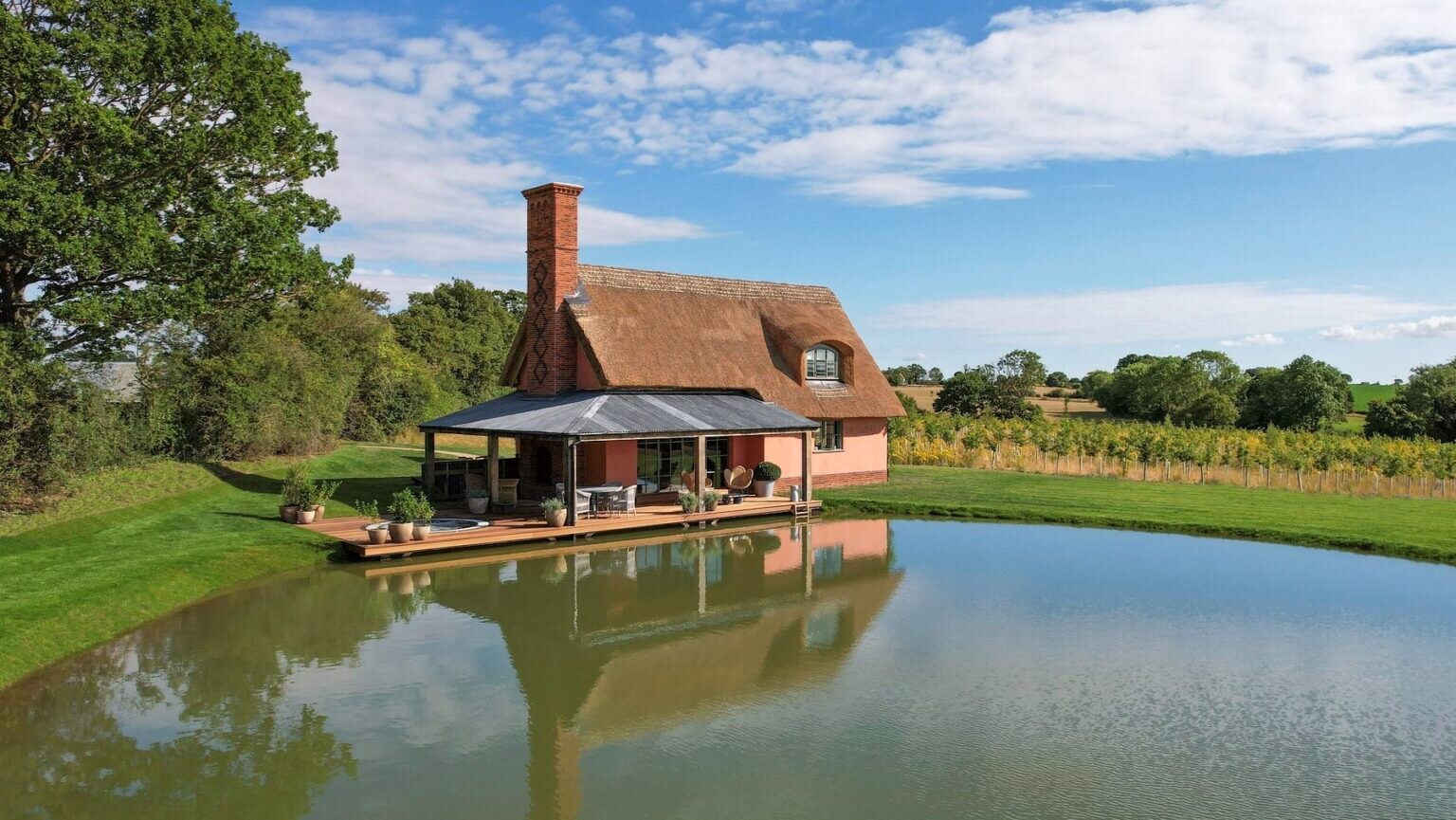
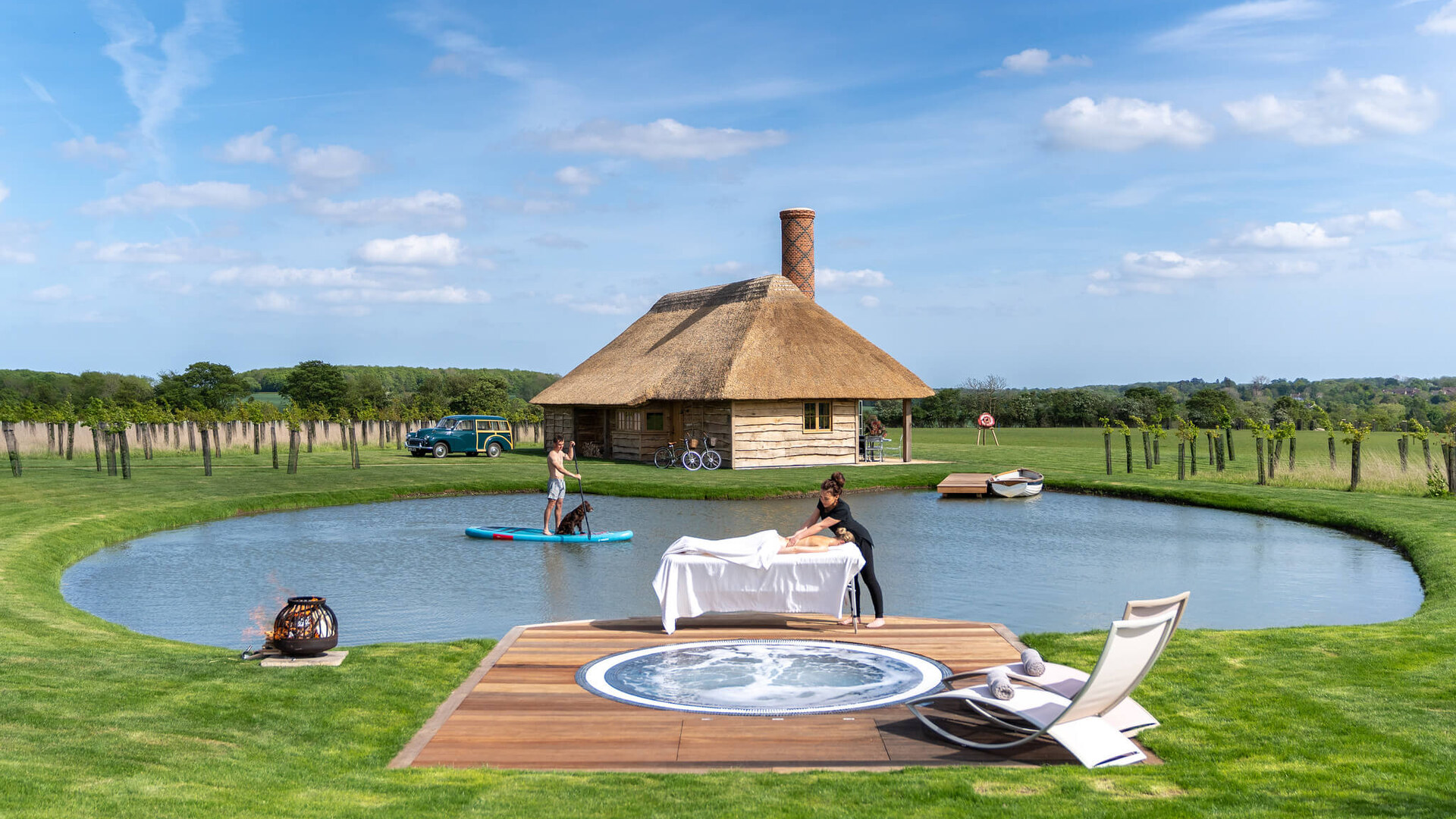
The Wilderness Reserve is not a hotel in the conventional sense. It is a private 1,000-acre estate in the Suffolk countryside — the Georgian hall, the gate lodges, the estate cottages, the lake house — that happens to be available to stay in. You do not check in at a reception desk. You are given the keys.
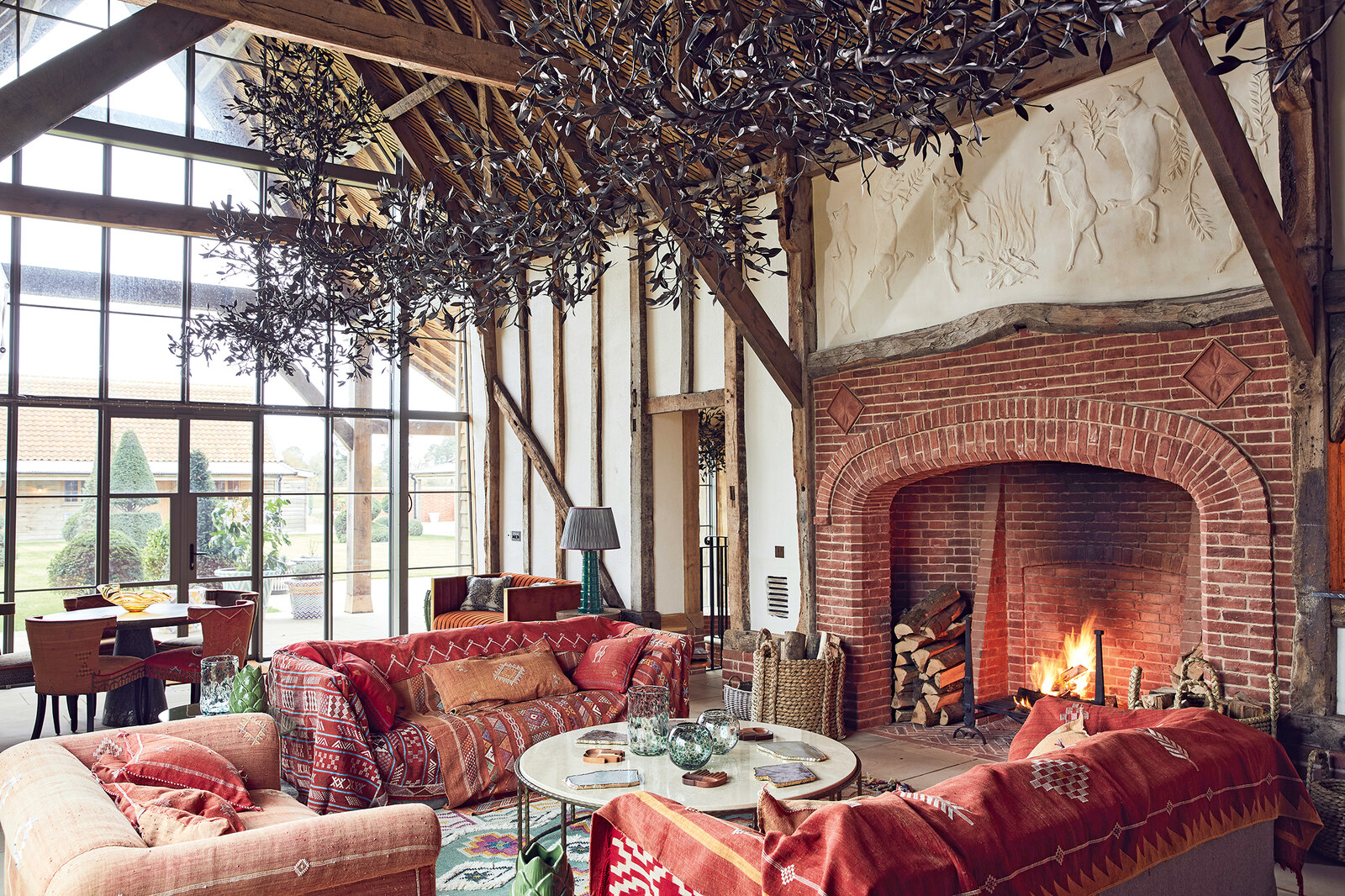
The landscape photographer Will Pryce spent time here documenting the interiors. His photographs show what the architects understood: Suffolk light and old English materials are sufficient. There is nothing here that needs improving upon, only living in.
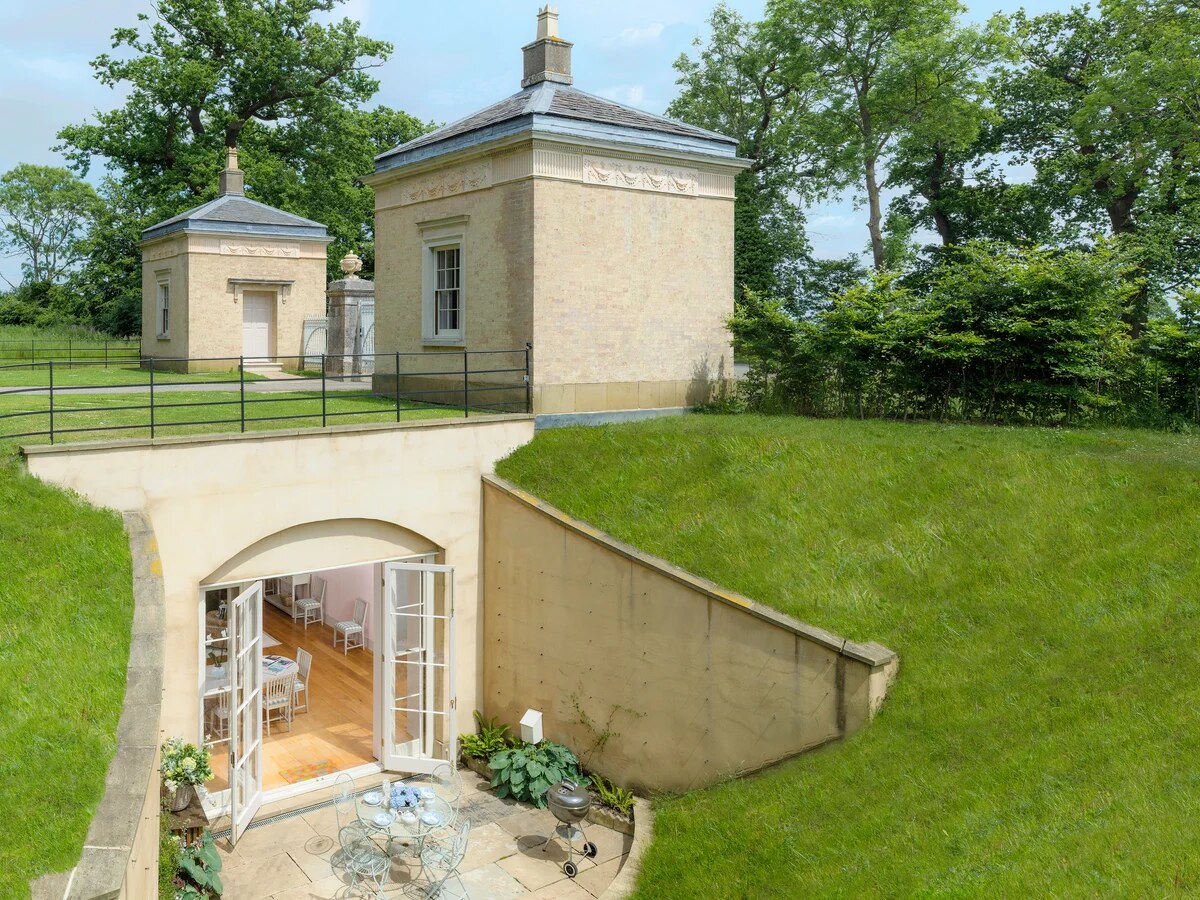
The Georgian hall and its surrounding estate buildings were restored with care and furnished as homes rather than hotel properties. The approach was curatorial rather than decorative: existing architectural fabric preserved, furniture and textiles chosen for quality and age rather than consistency or brand. Each building reads differently — the hall formal and generous, the cottages intimate and specific — and the result is a collection of spaces that feel discovered rather than designed.
Eight distinct properties on the estate, from the Georgian hall itself to smaller gate lodges and estate cottages. Each is available for exclusive hire — you take the whole property, not a room within it. This means genuine privacy, a private kitchen if you want it, and the experience of living in a house rather than staying in one. Staff are available but unobtrusive. The estate feels entirely your own.
1,000 acres of Suffolk countryside: managed woodland, wildflower meadows, a private lake, kitchen gardens. The grounds are available exclusively to guests and are most beautiful in the early morning before the light shifts. There are bikes in every property, boats on the lake, and a network of footpaths that takes several days to properly explore. The estate manages its own deer and game.
A private chef service can be arranged for any property — a cook who arrives each morning and prepares what you want, with provisions sourced from the estate and from the Suffolk coast markets. Alternatively, the estate provides a stocked larder on arrival and leaves the rest to you. Aldeburgh, with its excellent fishmonger and restaurants, is twenty minutes away for evenings when you want someone else to cook.
Aldeburgh is twenty minutes east — a shingle beach town with the best fish and chip shop in England, a serious fishmonger, Snape Maltings concert hall and the English coast at its most quietly dramatic. Southwold is thirty minutes north, with its painted beach huts and Adnams brewery. The Suffolk coast path connects them. Norwich, with its Norman cathedral and extraordinary medieval streets, is forty-five minutes north-west.
Indicative rates — vary by season and availability. Breakfast typically included. Confirm directly with the hotel for current pricing.
Reserve at Wilderness Reserve