A Slow Stay
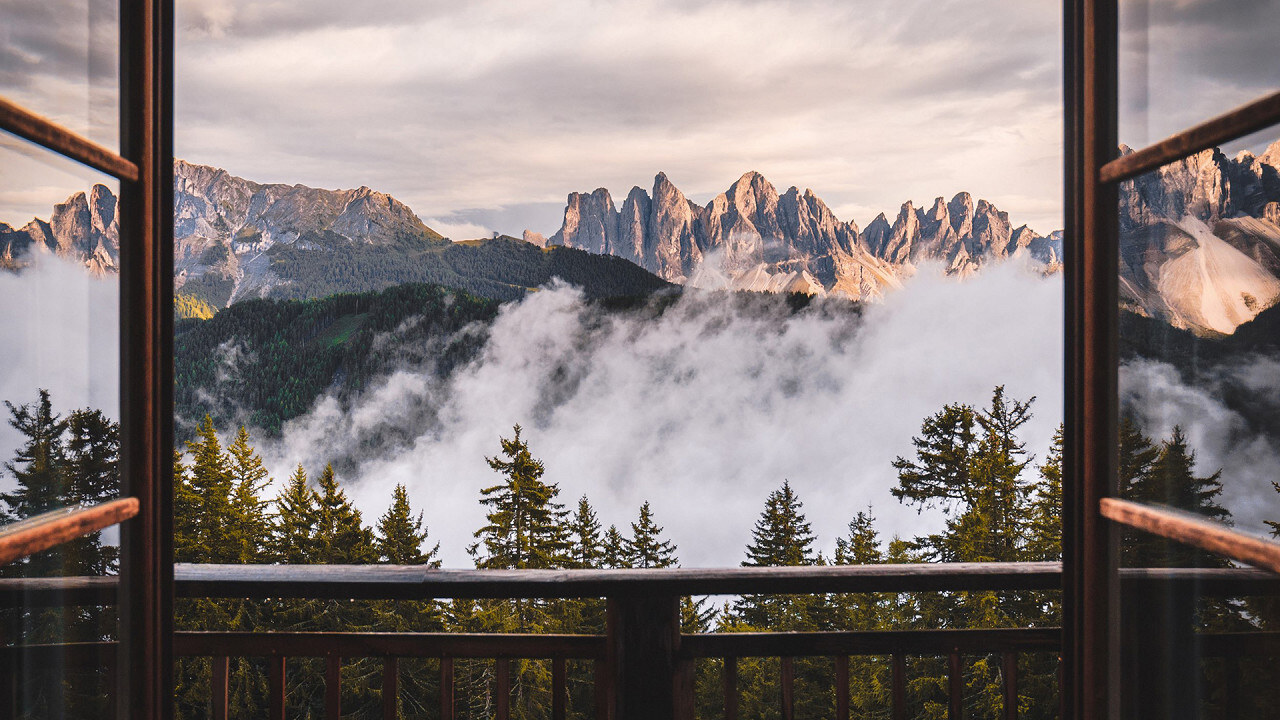
Forestis sits at 1,800 metres on the Plose mountain above Bressanone, surrounded by nothing but ancient forest and the raw limestone faces of the Dolomites. It is one of those rare hotels where the architecture does not compete with the landscape — it simply opens a frame around it. Floor-to-ceiling glass, natural wood, clean lines. Every room is a window onto the peaks.
The hotel was built on the site of a former sanatorium, and something of that healing purpose remains. The air is thin and clean, the silence profound, and the design so restrained that after a day or two, the only thing occupying your mind is the mountain in front of you.
Conceived around four natural elements drawn from the surrounding forest, the brief at Forestis was total: nothing imported, nothing decorative. The carpentry was commissioned from local master Albin Frener; the stone cut by Bressanone stonemason Manuel Moling. The result is a building that does not announce itself — it grows from the mountain it stands on.
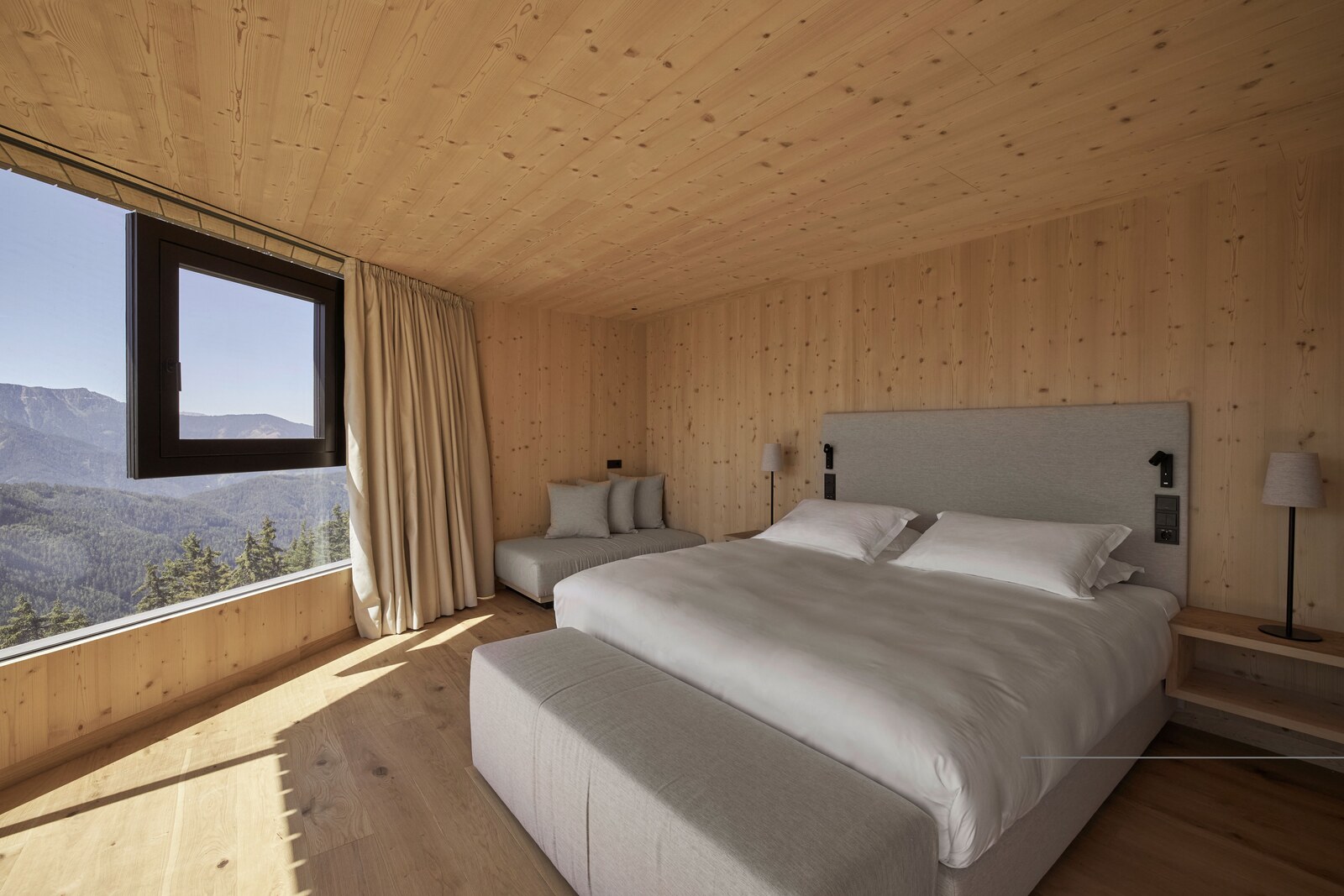
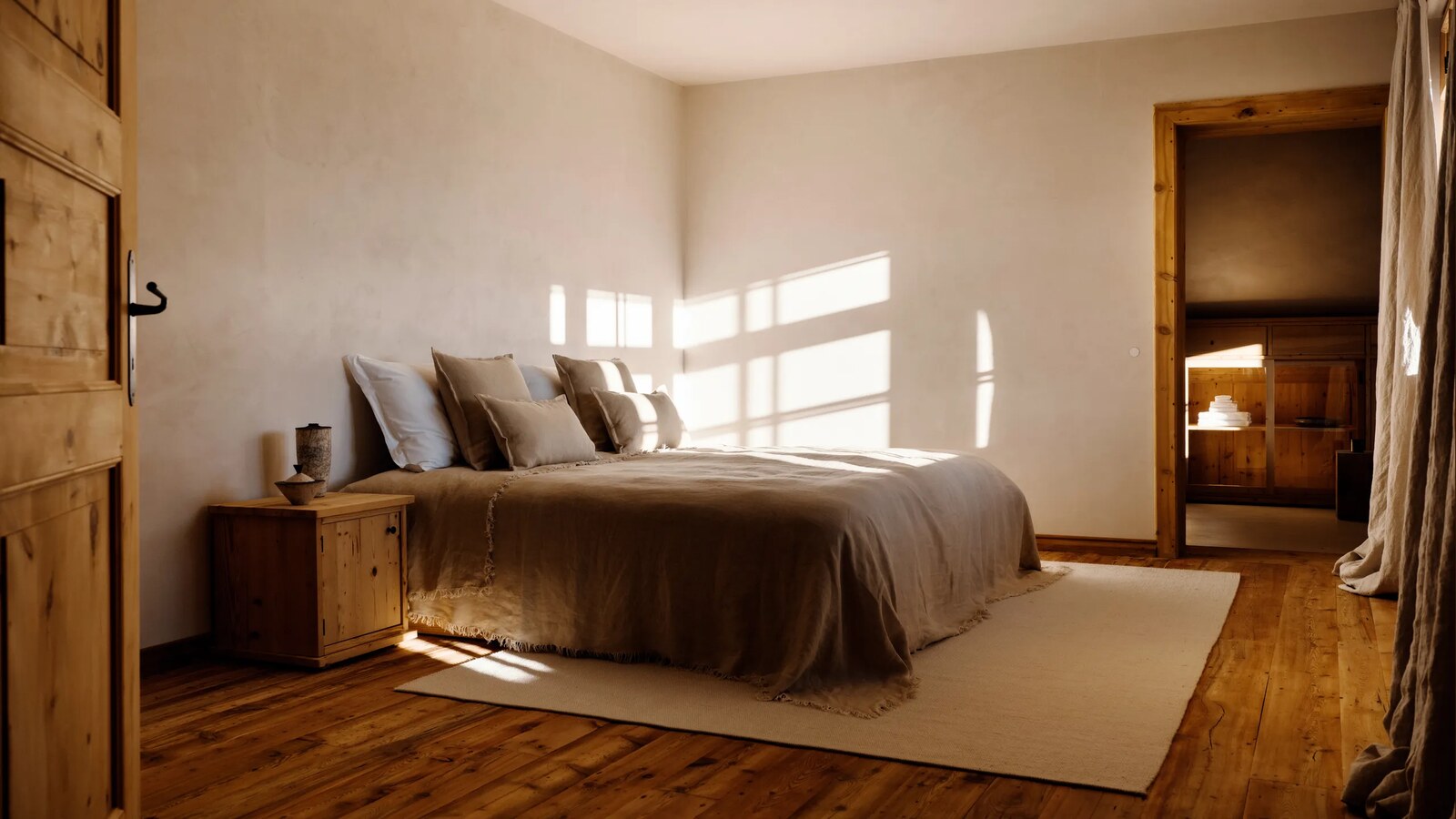
Built entirely from local wood and stone, the suites are studies in Alpine minimalism. Each faces the Dolomites through walls of glass that slide open to private terraces. Some have outdoor daybeds where you can sleep under the stars. The bathtubs look out at the peaks. The materials are warm, the lines clean, and there is nothing in the room that does not need to be there — a simplicity that takes extraordinary thought to achieve.
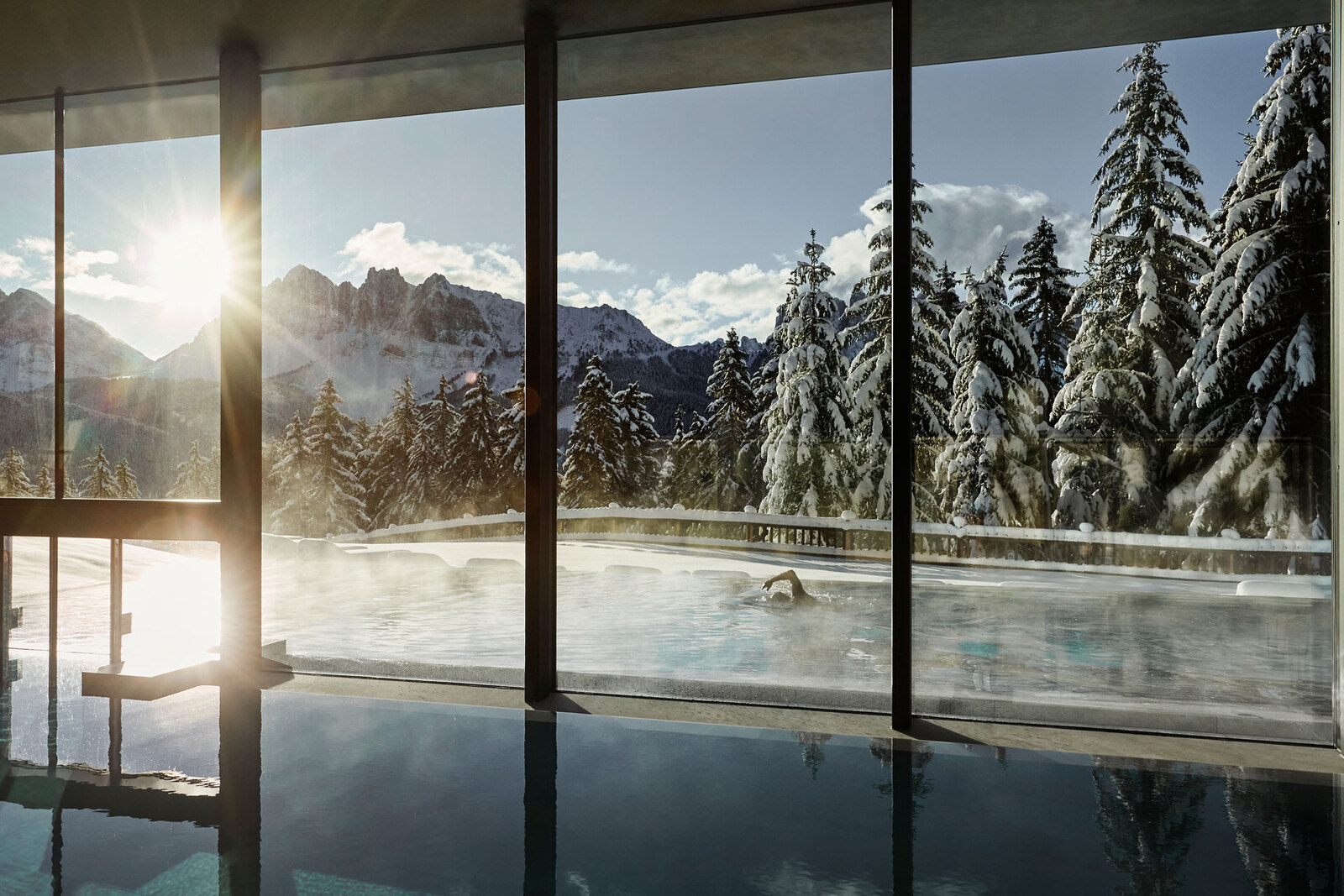
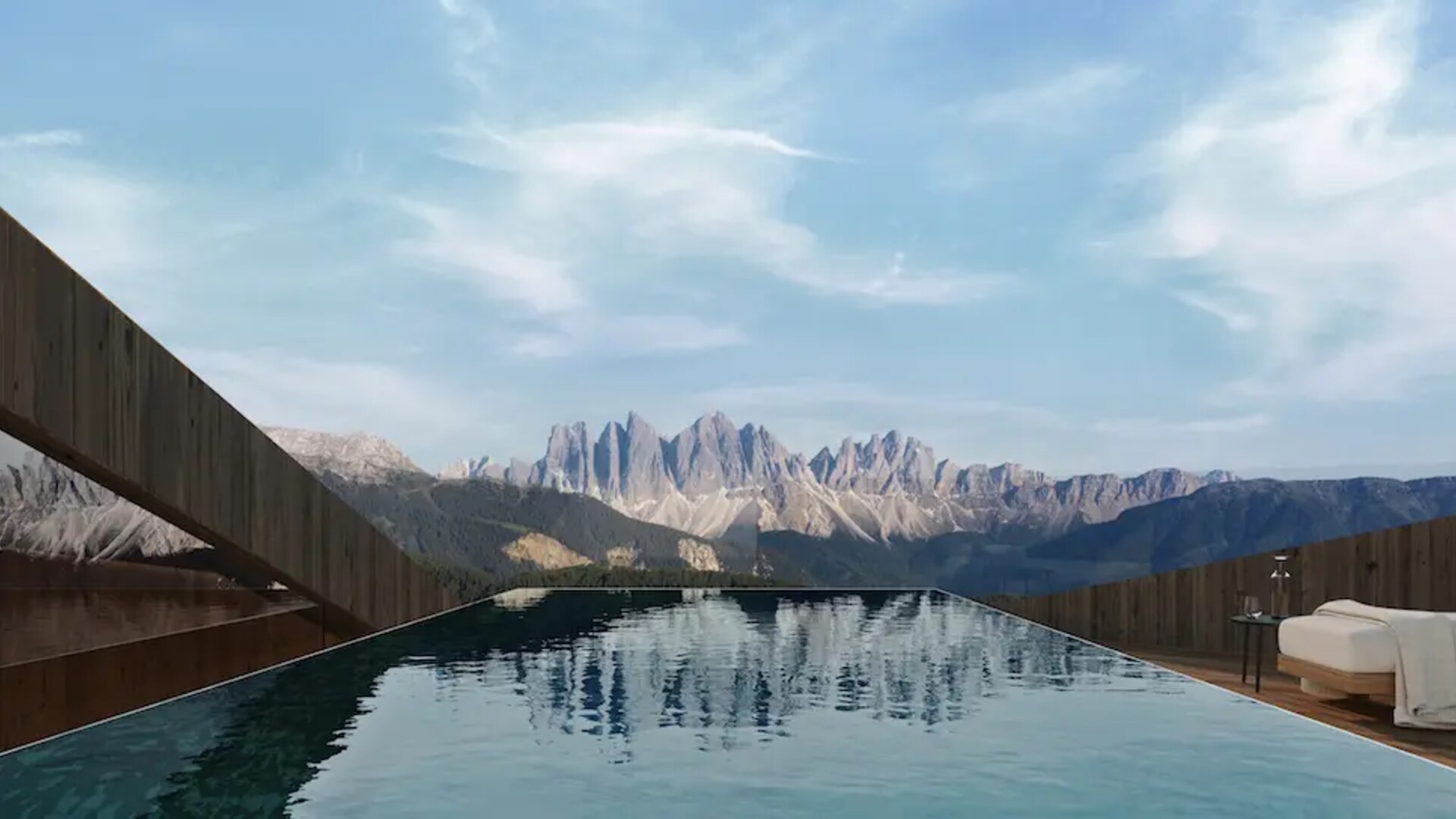
A subterranean wellness space carved into the mountain, built around four elements: wood, water, stone and light. Hay baths drawn from Alpine meadows, an indoor-outdoor pool that seems to float above the valley, and saunas built from centuries-old timber. The signature treatment uses heated pine oil and mountain herbs. Wellness in the truest, least performative sense — rooted in the land, designed to slow everything down.
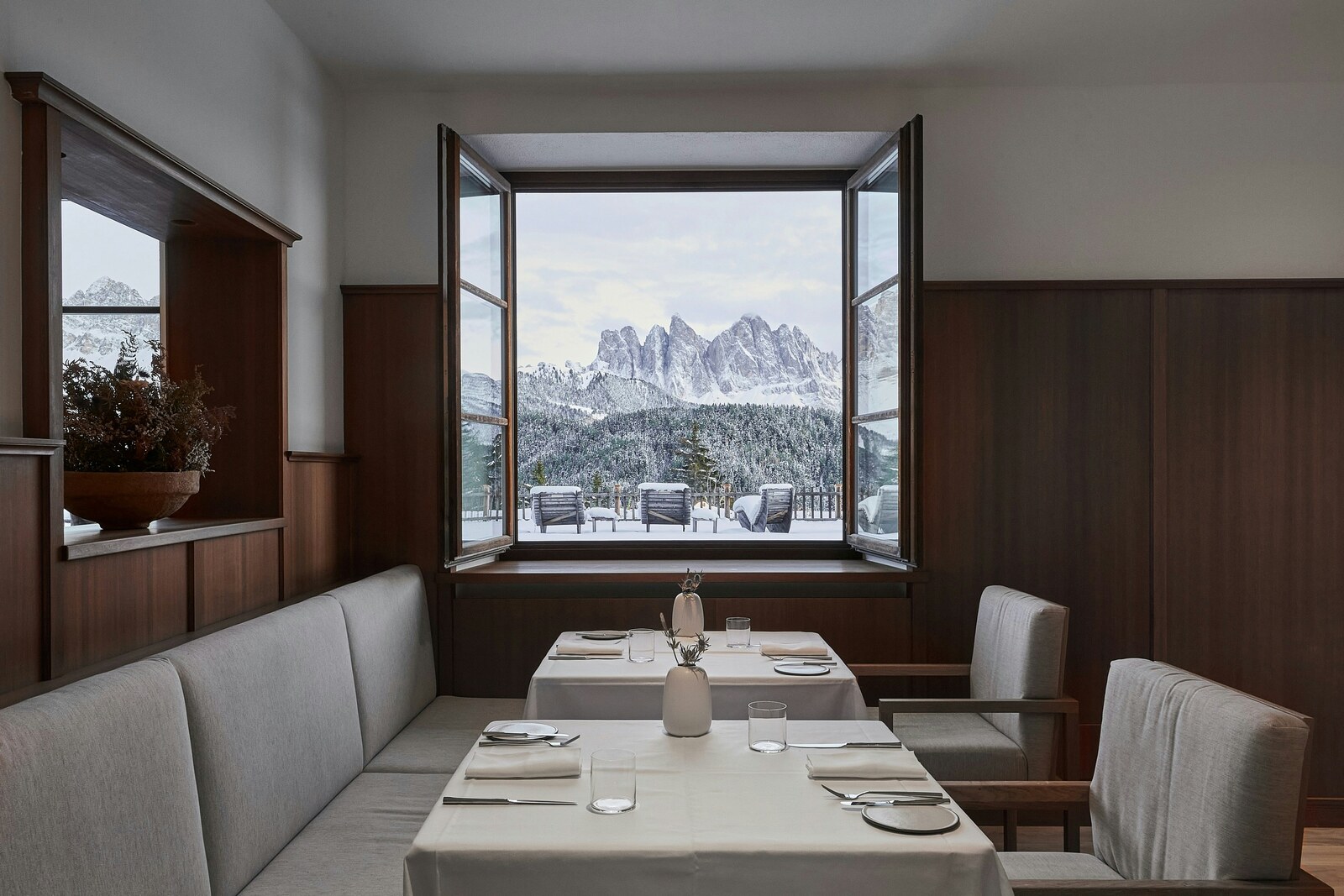
Chef Roland Lamprecht runs a kitchen as rooted in the Dolomites as the hotel itself. South Tyrolean at its core — hand-rolled canederli, slow-braised game, foraged herbs — but with a lightness and precision that elevates every dish. Much of the produce comes from the mountain or from farmers in the Isarco Valley below. Dinner, served as the sun sets behind the peaks, is one of the finest meals in the Dolomites.
Bressanone, the oldest town in South Tyrol, sits twenty minutes below by cable car — arcaded streets, painted facades, a Baroque cathedral. Above the hotel, the Plose summit gives a 360-degree panorama and direct access to the Adolf Munkel Trail beneath the Odle peaks, widely considered the most beautiful day hike in the Alps. In winter, the Plose ski area is quiet and uncrowded. Bolzano, home to Ötzi the Ice Man, is forty-five minutes by car.
Indicative rates — vary by season and availability. Breakfast typically included. Confirm directly with the hotel for current pricing.
Reserve at Forestis