A Slow Stay
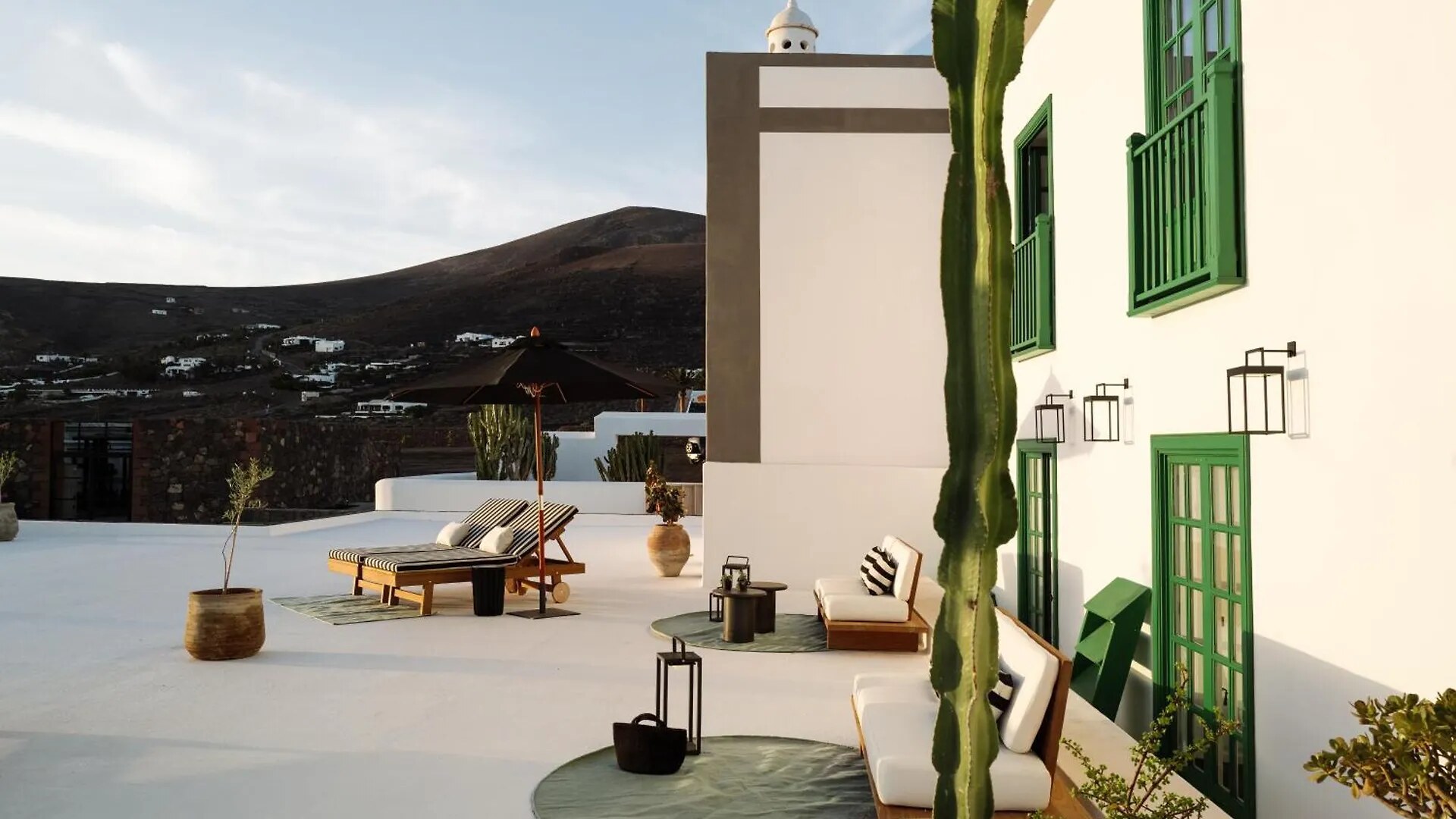
César takes its name and its spirit from César Manrique — the Lanzarotean artist and architect who spent his life insisting that the island’s buildings should grow from its landscape rather than impose on it. Set in the hills of La Asomada, the hotel is a study in the same principles: volcanic materials, white walls, a design intelligence that serves the place rather than itself.
The island does the heavy lifting here. The Atlantic light at this latitude, the black lava fields, the silence of the interior — Lanzarote provides a quality of setting that most hotels in the world can’t compete with. César has the good sense to know that, and to get out of the way.
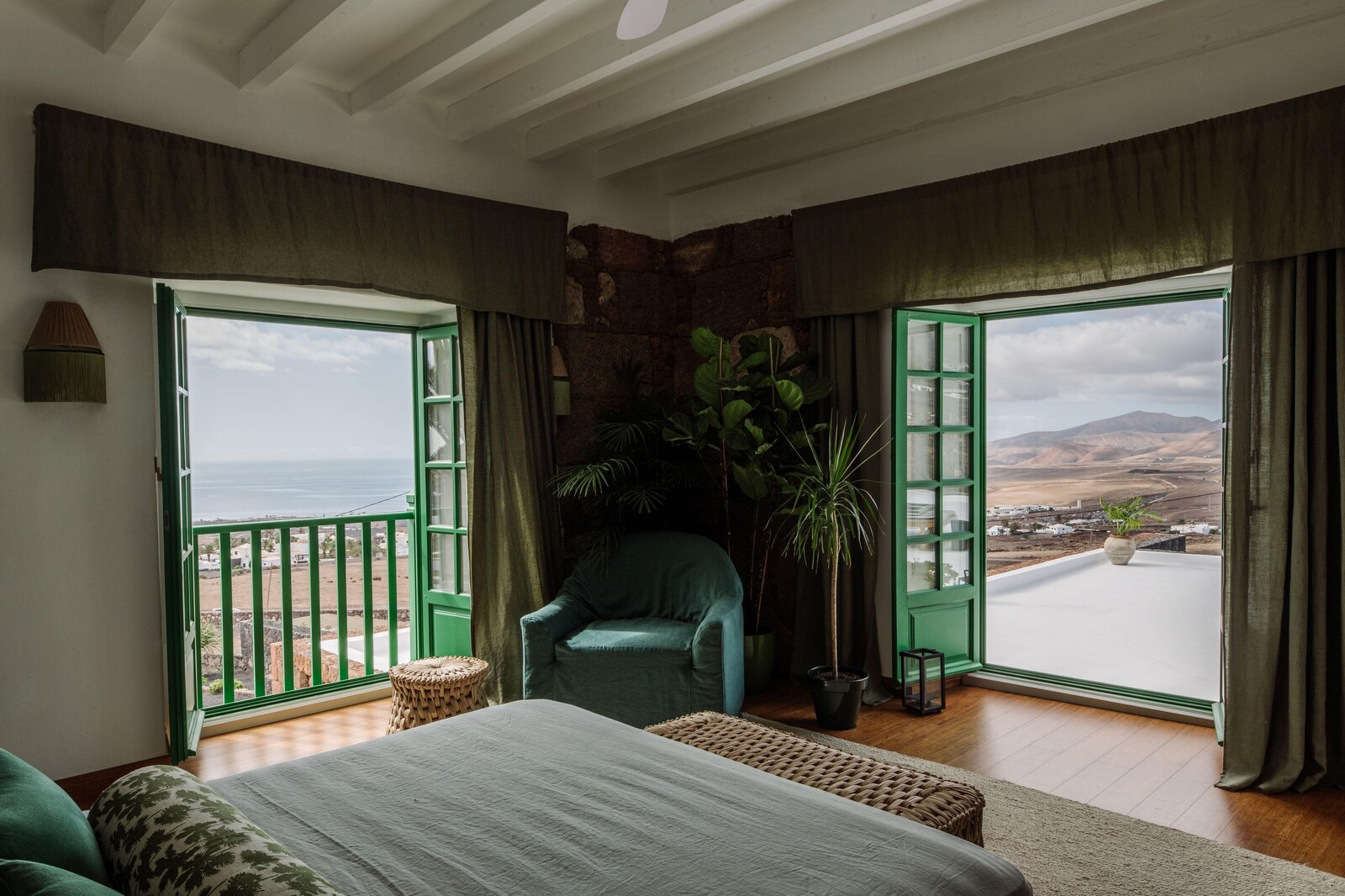
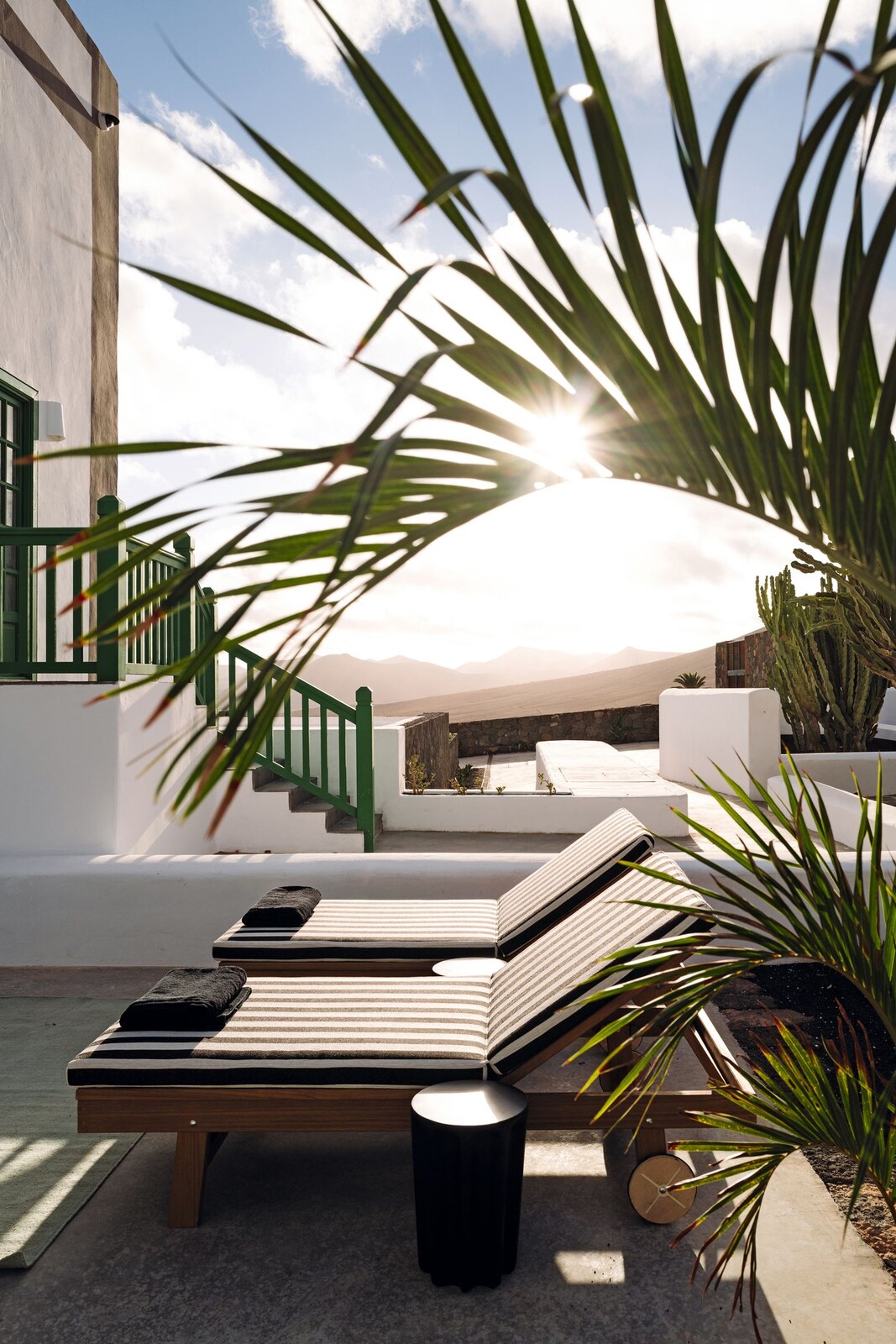
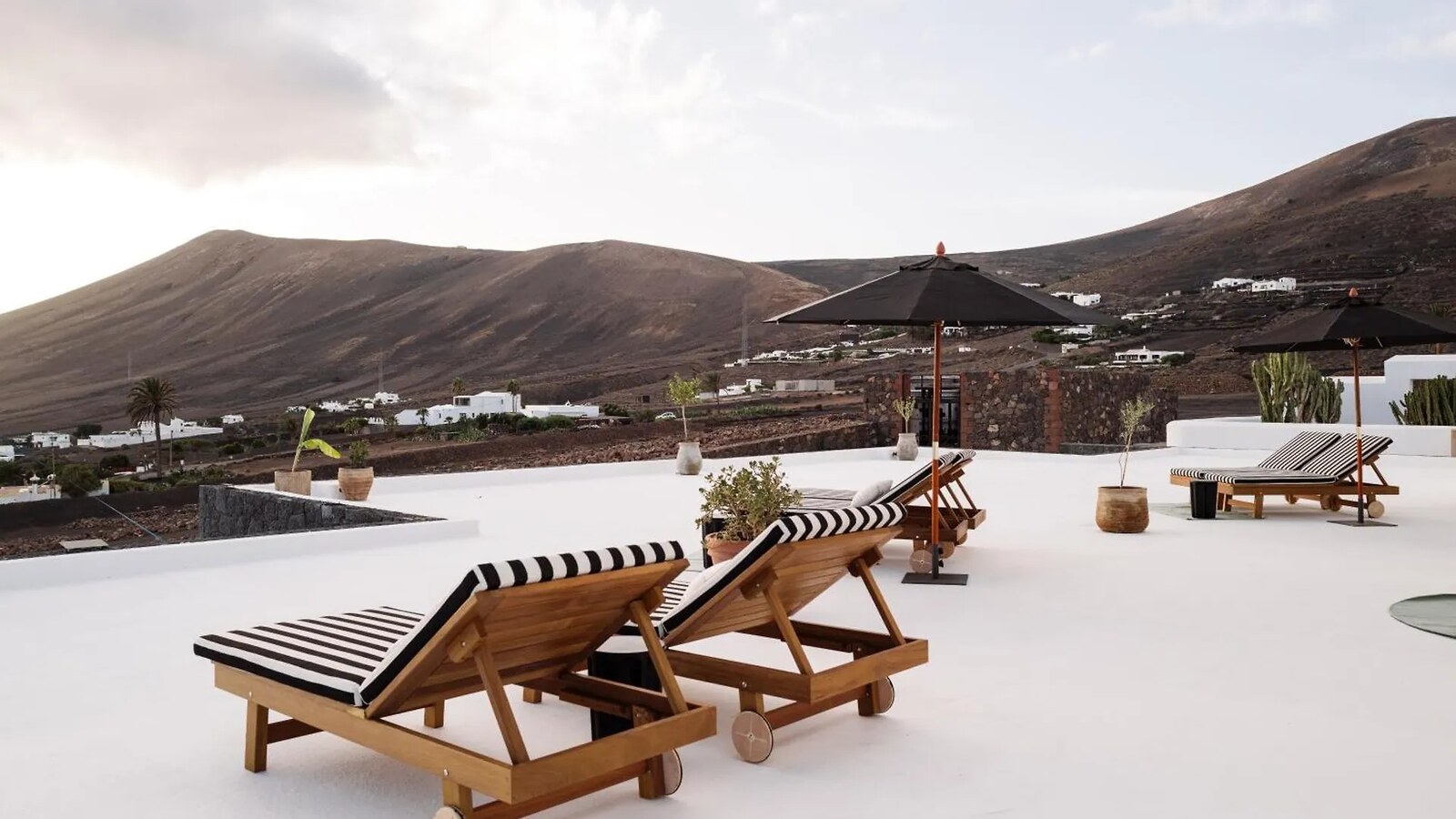
Manrique understood that Lanzarote’s genius lay in its stark volcanic contrasts — black lava and white render, rough stone and open sky. The hotel honours that understanding: volcanic stone in the walls and paving, local craftsmanship in the furniture and fittings, whitewash as the dominant surface. Nothing was introduced to distract from the landscape beyond the windows; the landscape was always intended to be the room.
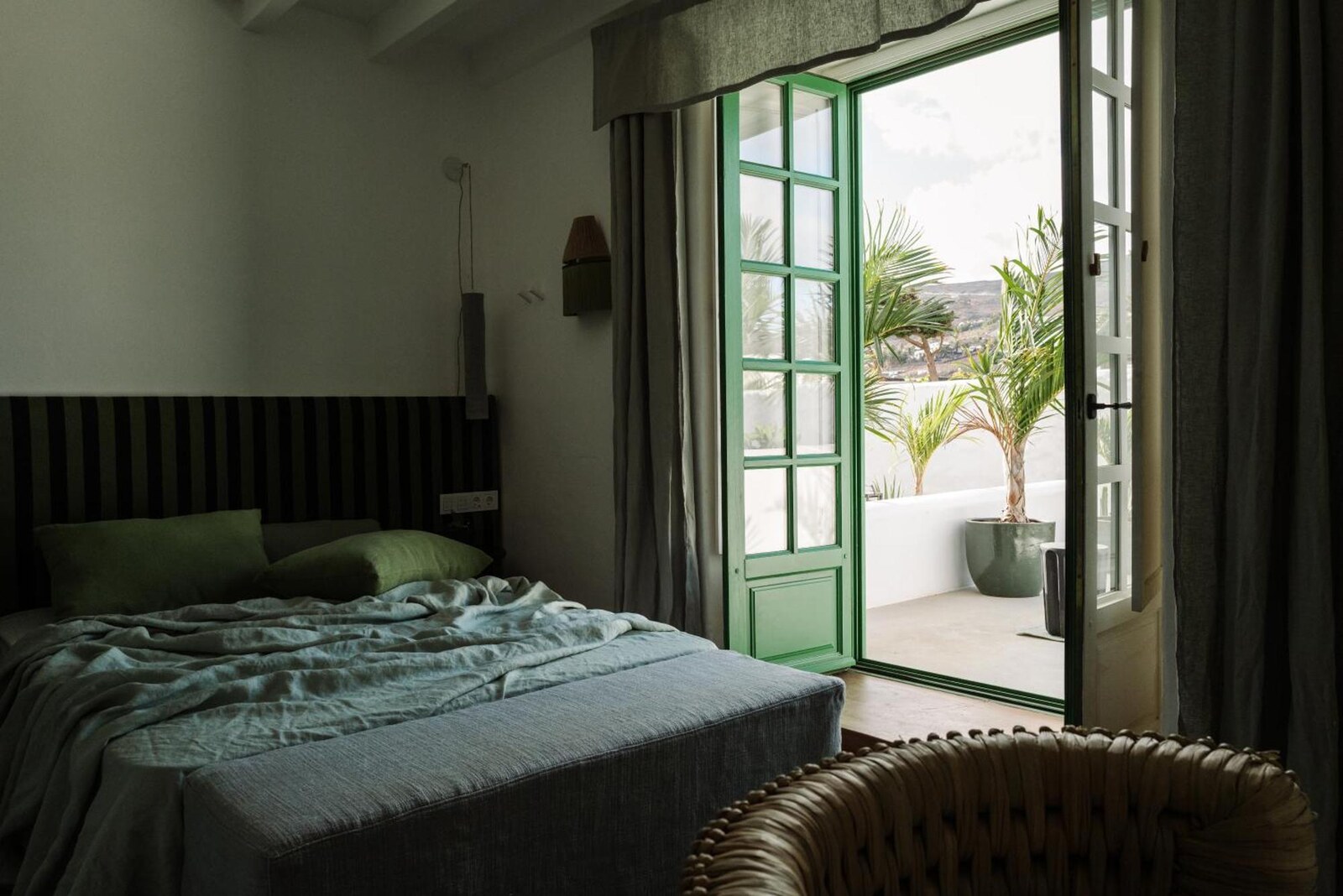
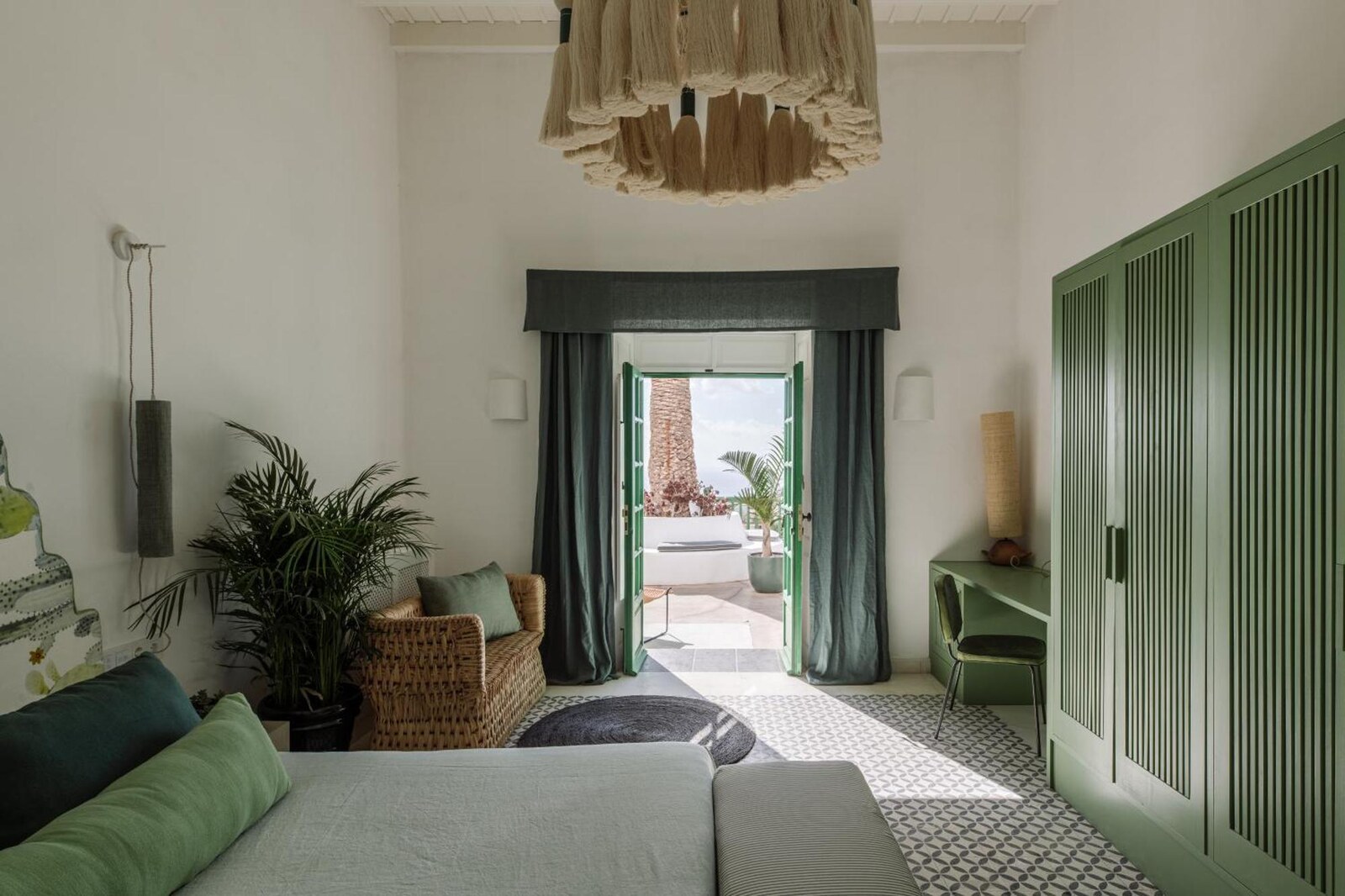
Rooms arranged around the courtyard in the Lanzarotean tradition, each one opening onto the exterior rather than an interior corridor. Volcanic stone on the floors, whitewash on the walls, shutters to control the extraordinary Atlantic light. The furnishings are local and well-made. The air conditioning is discreet. The thick walls of the original building do more of the thermal work than any mechanical system could.
A pool designed after the Manrique manner — shaped to follow the natural contours of the site, surrounded by volcanic rock and local plantings. The terrace looks out over the southern plain towards the hills and the Atlantic beyond. This is a very good place to spend an afternoon doing nothing.
Local produce, Canarian technique, a menu that changes with what the island provides. The hotel takes its food as seriously as it takes its architecture: sourced from the island, prepared simply, served without ceremony. Wine from Lanzarote’s own vineyards — the malvasía and the listán negro grown in volcanic soil are among the most interesting wines produced anywhere in Spain.
La Asomada sits in the island’s quiet agricultural interior. Teguise — Lanzarote’s historic capital and still its most beautiful village, a grid of whitewashed streets with a Sunday market that draws the whole island — is a short drive north. Timanfaya National Park is twenty minutes away, an extraordinary landscape of volcanic craters where the earth still radiates heat. Jameos del Agua — Manrique’s masterpiece, a concert hall built inside a lava tube — is thirty minutes north. The northern beaches are uncrowded and wild. Stay long enough to see the island at dusk.
Indicative rates — vary by season and availability. Breakfast typically included. Confirm directly with the hotel for current pricing.
Reserve at César