A Slow Stay
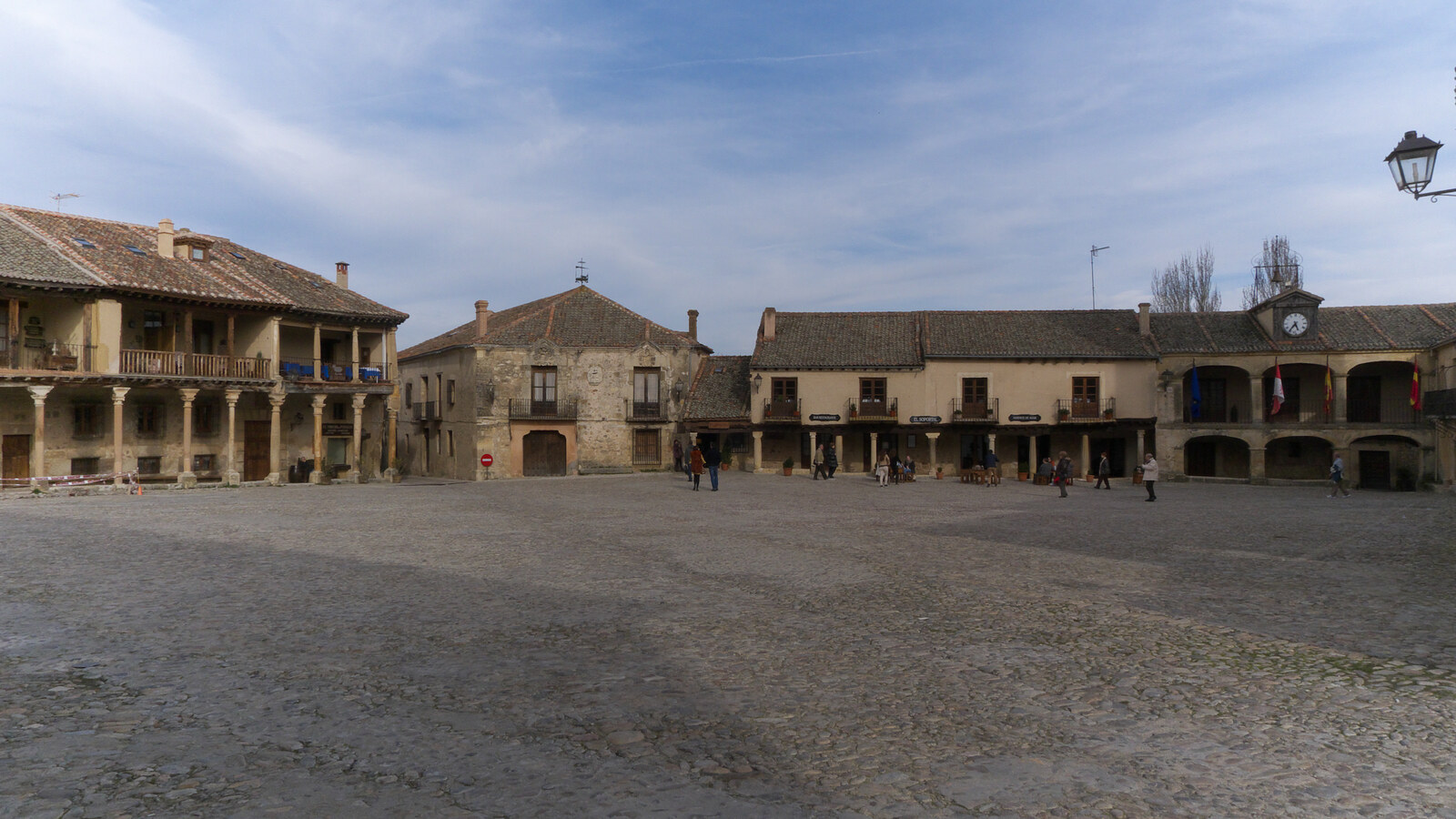
Casa Taberna sits on the Plaza Mayor of Pedraza — a walled medieval village in the province of Segovia, an hour or so north of Madrid and a world away from it. It is a seventeenth-century stone house that the caterer and television cook Samantha Vallejo-Nágera reworked, slowly, into something that is part home, part restaurant, part the kind of small hotel you do not want to leave.
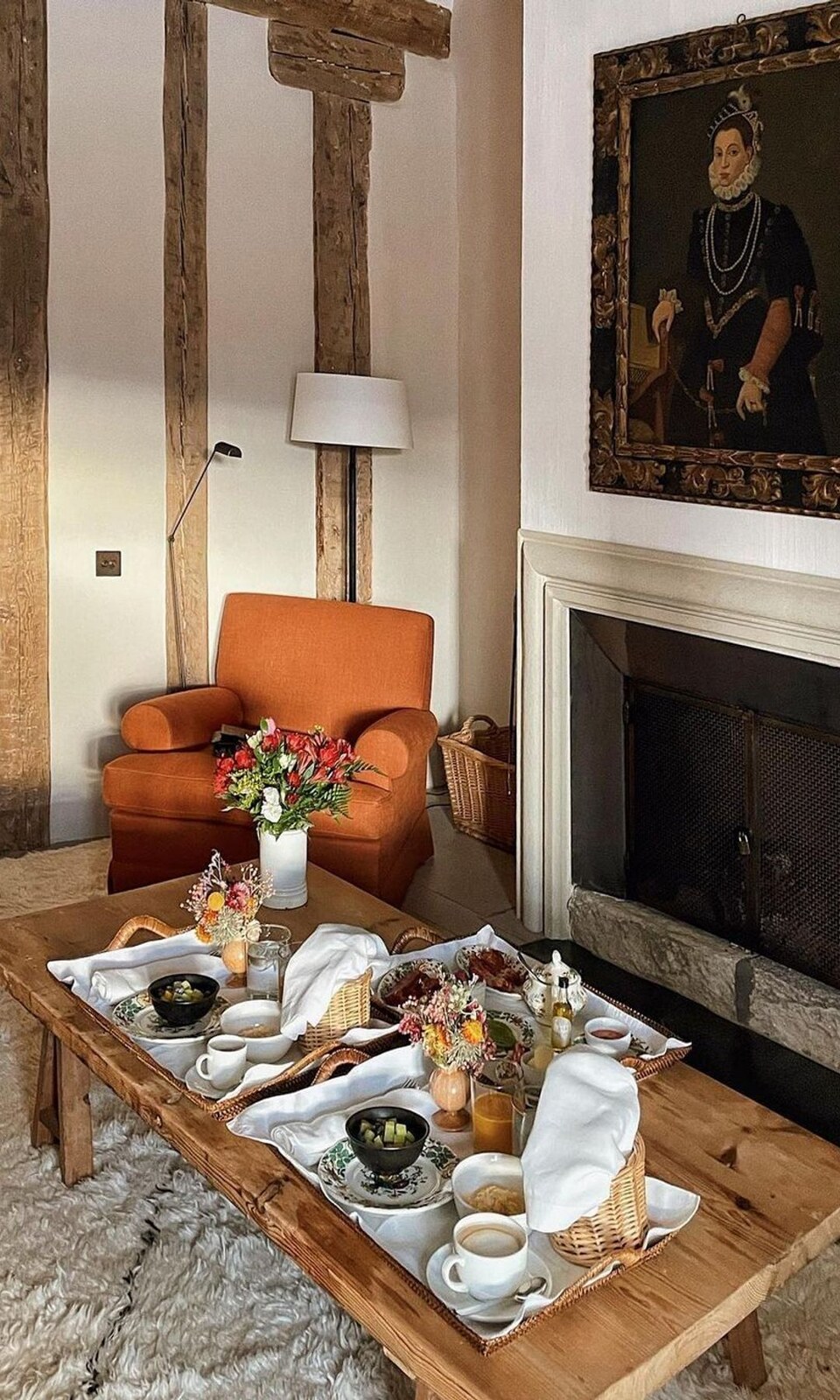
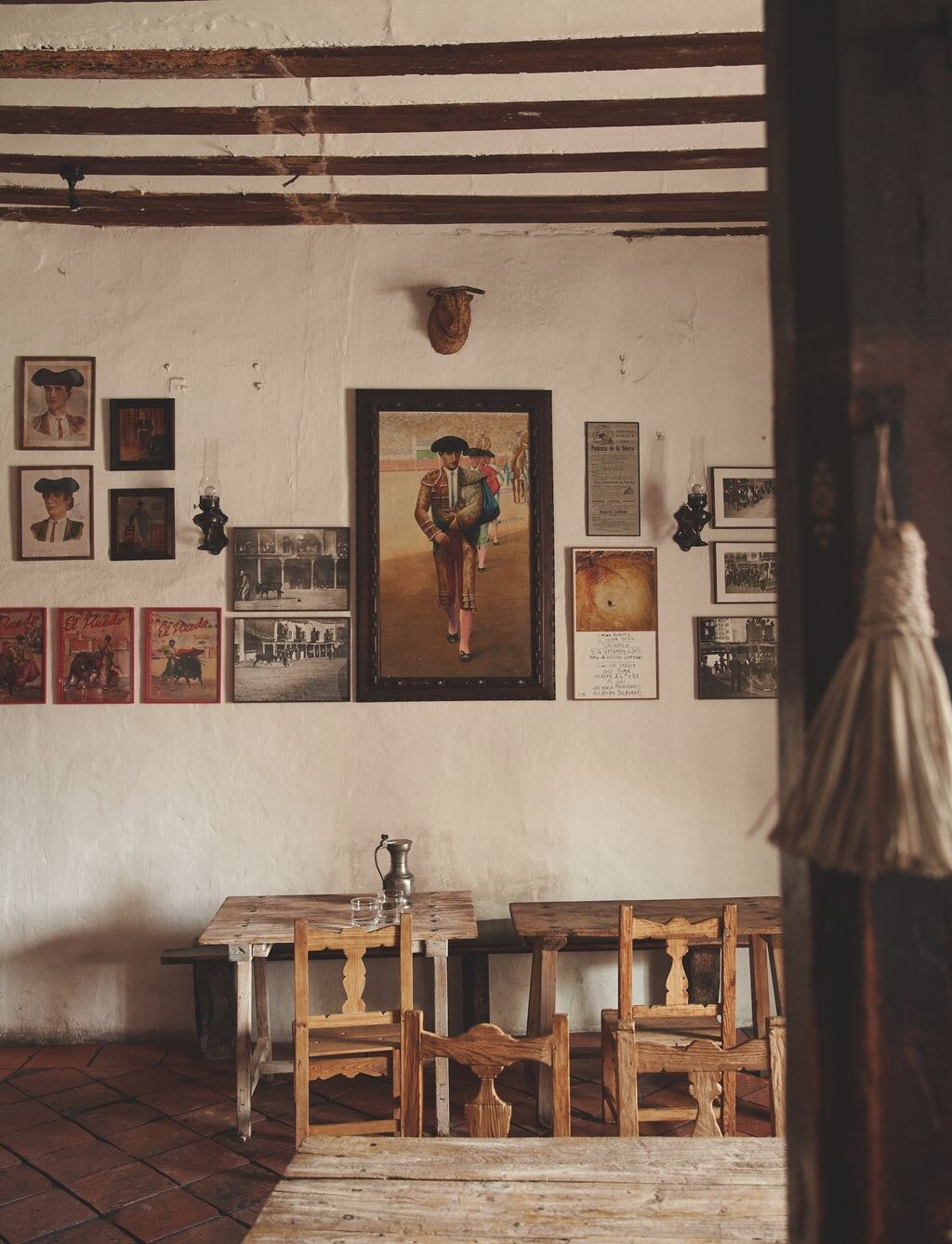
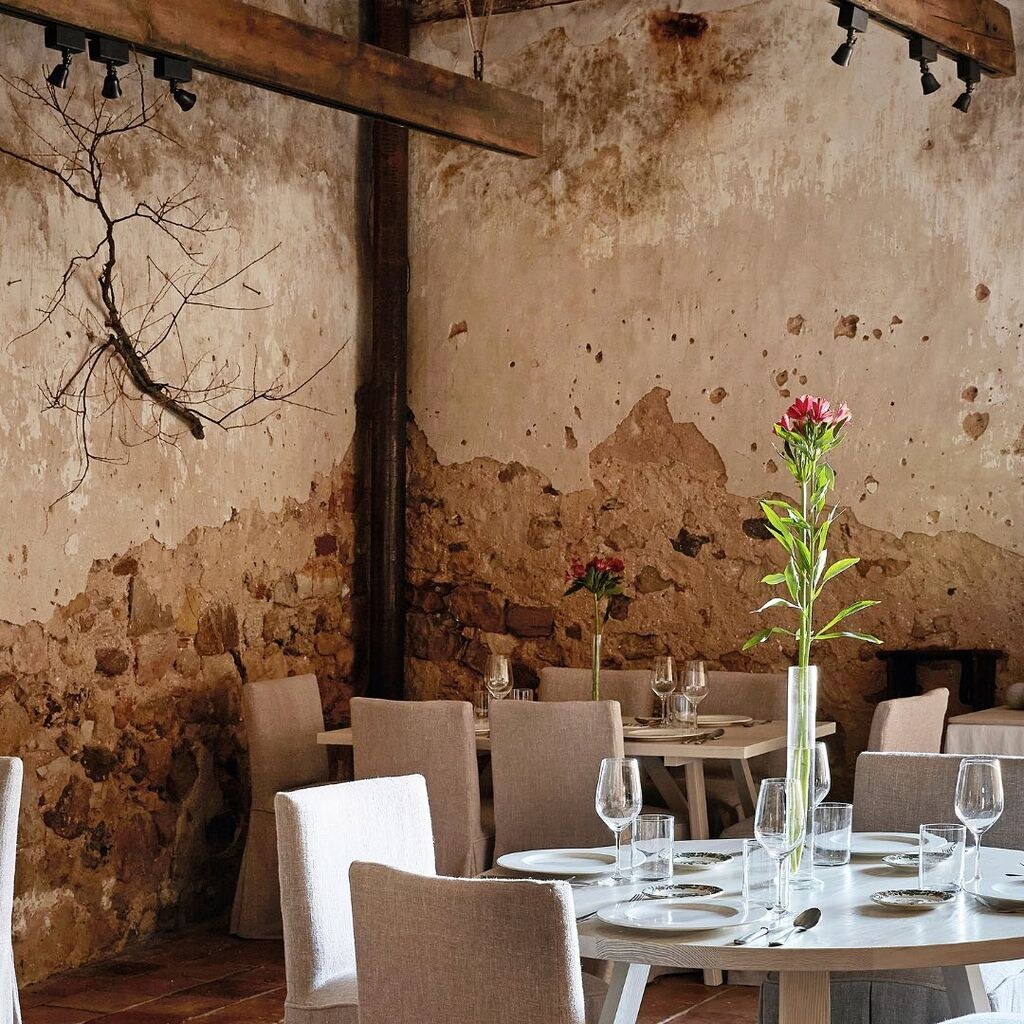
There is nothing of the boutique formula here. The walls are bare lime plaster, scarred and patinated; the beams are the original timber; the floors are old terracotta and worn board. What has been added — linen, ceramics, a Spanish painting, a French lamp — has been added with the eye of someone furnishing their own house rather than decorating a brand. The result is warm, particular, and quietly grand in the way only old stone can be.
The restoration was curatorial rather than cosmetic. Where the seventeenth-century fabric was sound it was left exposed — lime-washed walls allowed to keep their age, stone and brick revealed beneath the plaster, ceilings carried on their original beams. Against this, a restrained palette of earth tones, indigo linen and unvarnished wood. Antiques sit beside humble country pieces; nothing matches, and everything belongs. It is the unmistakable hand of an owner who lives in the rooms she furnishes.
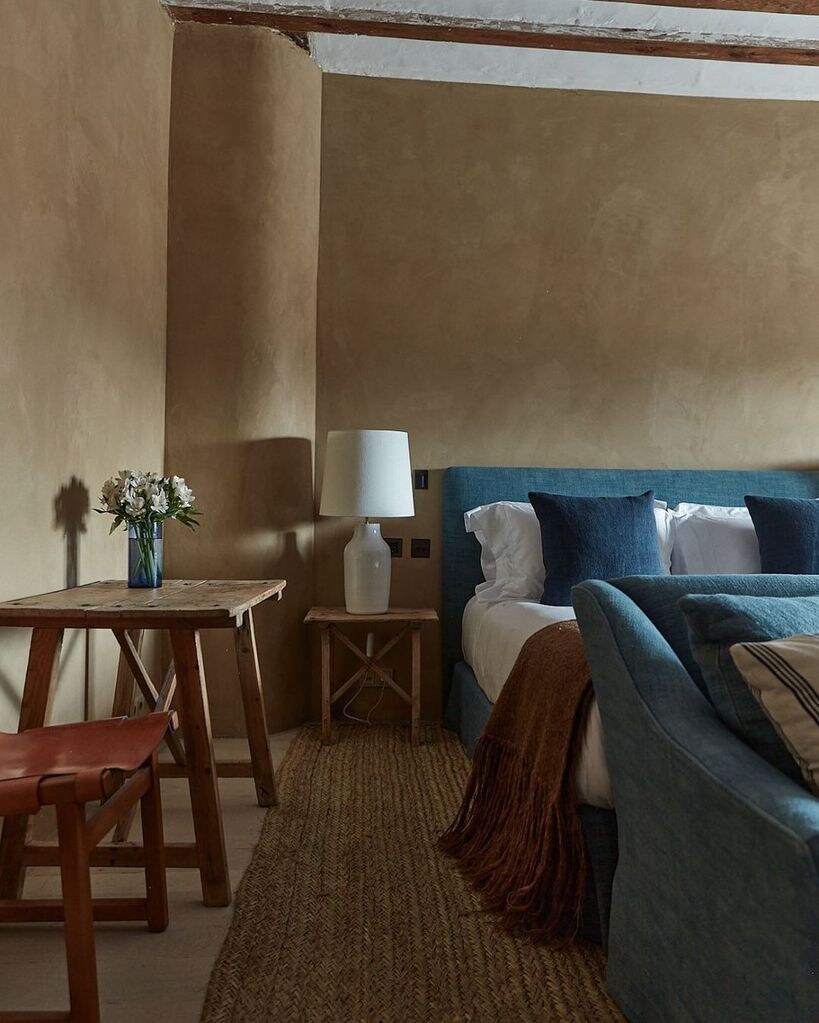
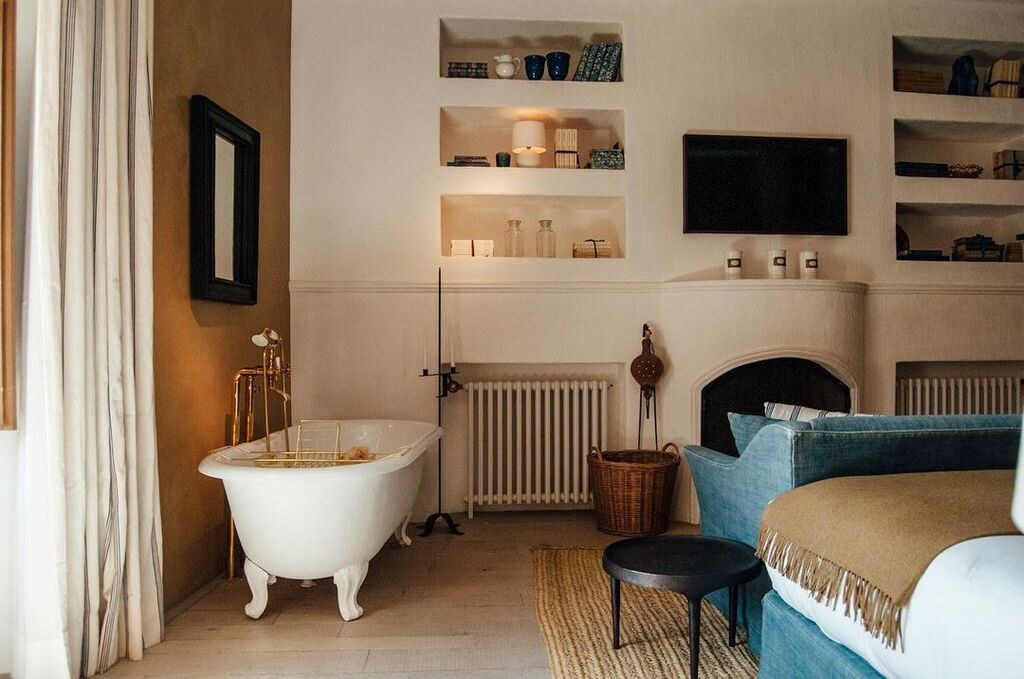
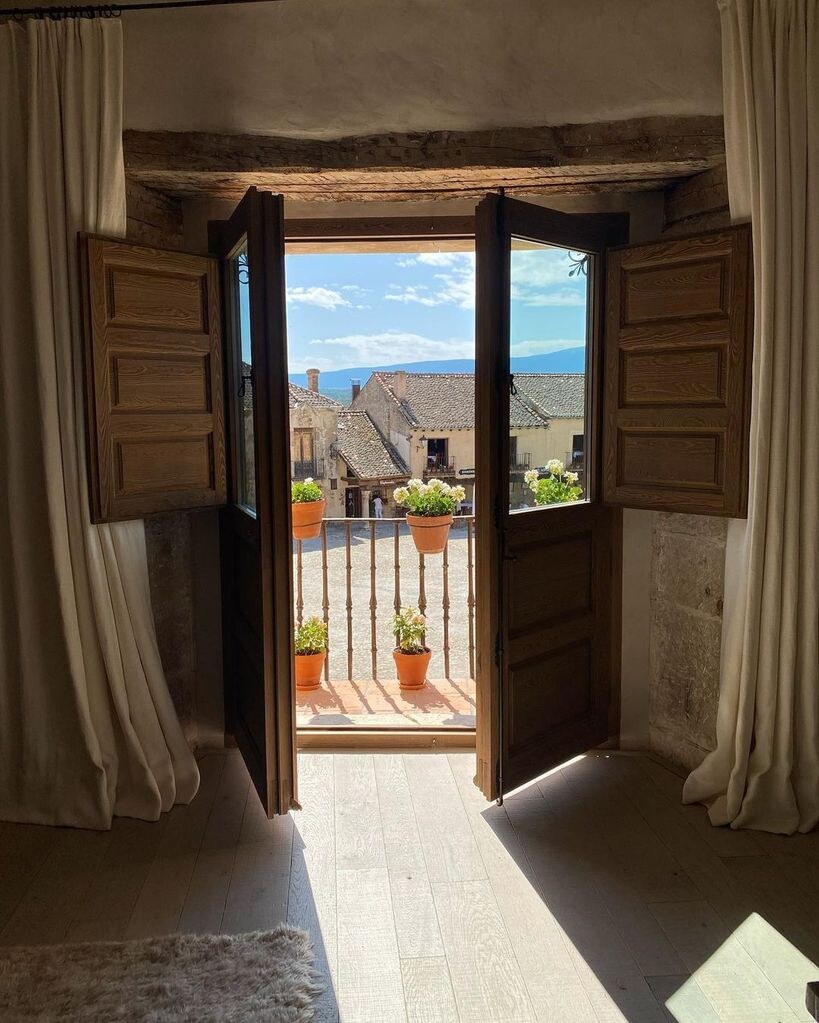
Just a handful of rooms and junior suites, each shaped by the old house rather than imposed on it. Sloping plaster walls in soft ochre, headboards in indigo linen, beamed ceilings, jute underfoot, and the odd antique table standing on uneven floors. Some open onto the Plaza Mayor itself, where wooden shutters fold back to a balcony of geraniums and a view across the cobbled square to the hills beyond. The scale is domestic and the quiet is total — this is a house with a few guests, not a hotel with many.
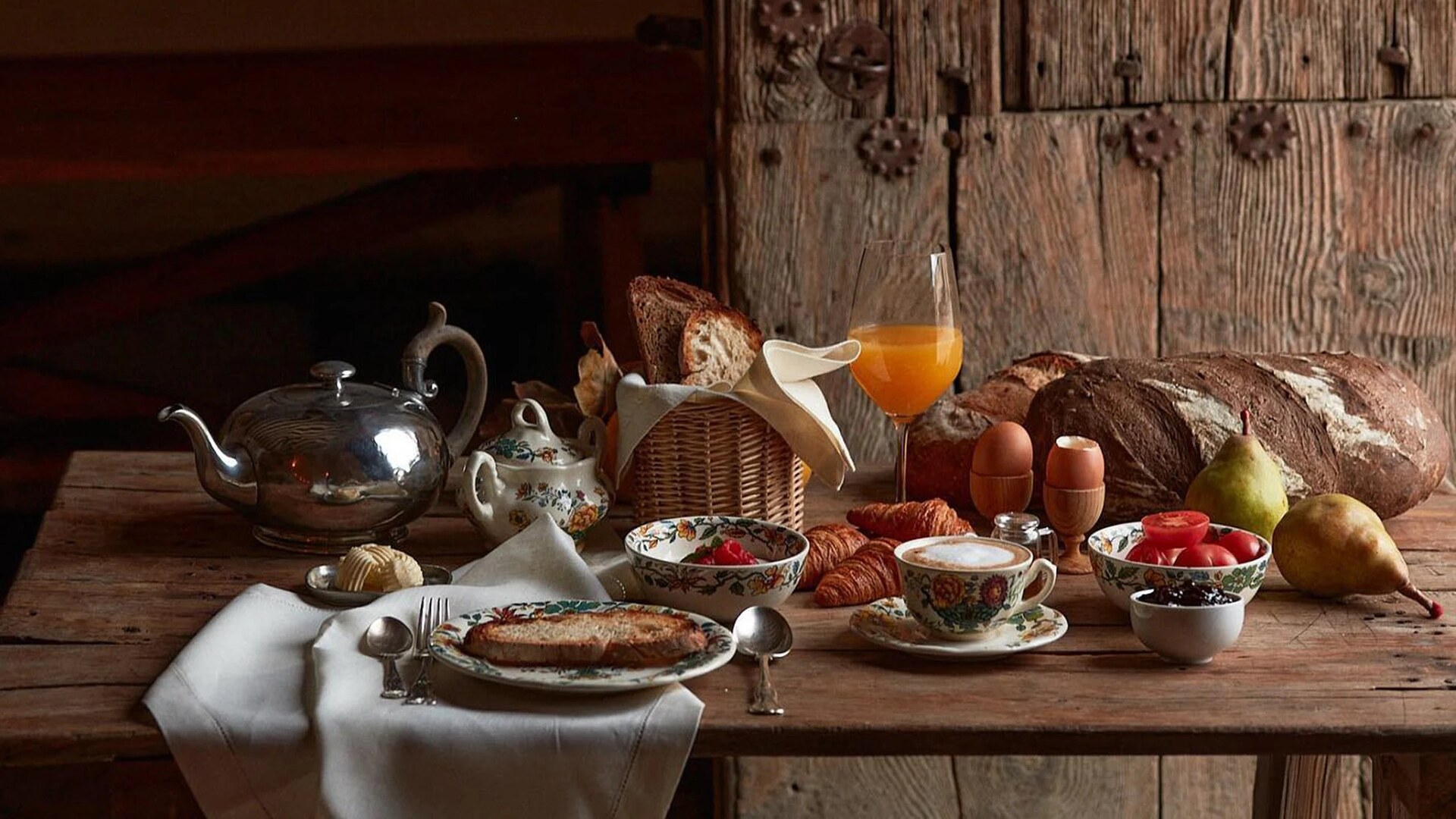
The restaurant is the heart of the house, and it is why most people come. The cooking is a la brasa — honest, fire-led food built on Castilian produce and the lamb for which Pedraza and Segovia are famous, with the French inflection and the love of vegetables that mark Samantha Vallejo-Nágera's kitchen. It is served in rooms of bare, beautifully aged stone, beneath beams, by an open fire when the weather turns. Breakfast — bread, fruit, eggs, good coffee — is laid out with the same unhurried care.
Pedraza is one of the best-preserved medieval villages in Spain — a single fortified gate, a castle once owned by the painter Zuloaga, cobbled lanes and an arcaded plaza that has barely changed in four hundred years. It is made for slowness: there is little to do beyond walk, eat and watch the light move across the stone. Segovia, with its Roman aqueduct and fairytale alcázar, is forty minutes south; the pine forests and granite peaks of the Sierra de Guadarrama rise close to the north. Madrid is an hour and a half away, and feels much further.
Indicative rates — vary by season and availability. Breakfast typically included. Confirm directly with the hotel for current pricing.
Reserve at Casa Taberna