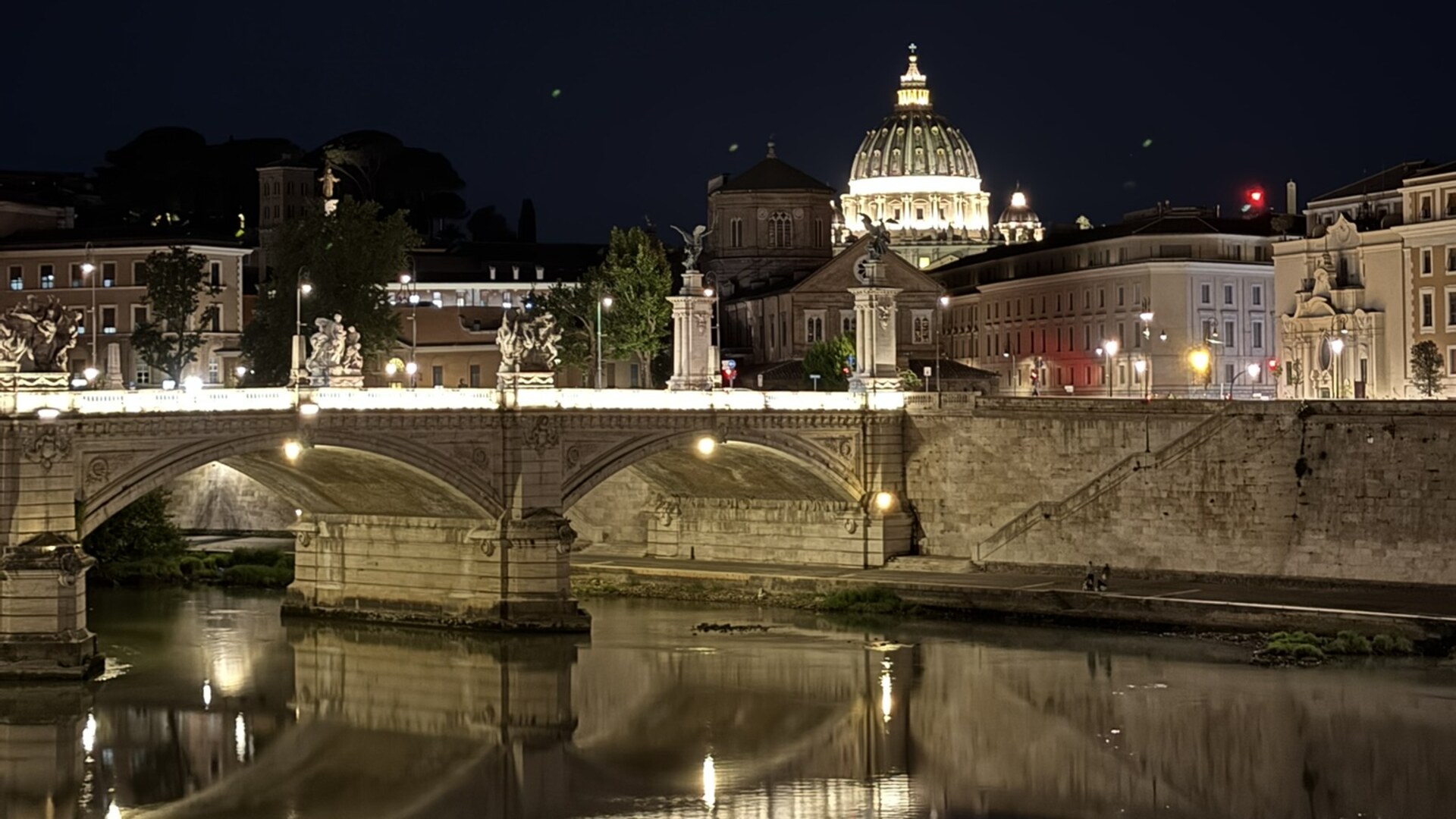
A Slow Guide
Ancient light, neighbourhood trattorias & the art of doing nothing
Rome does not reveal itself to people in a hurry. The city has been here for nearly three thousand years and it moves at its own pace — slowly, beautifully, on its own terms. The best of it is not in the queues at the Colosseum or the crowds at Trevi. It is in the back streets of Trastevere at dusk, the morning light falling through the oculus of the Pantheon, a plate of cacio e pepe eaten at a table where nobody will ask you to leave.
This is a city built for lingering. For long lunches that become late afternoons. For walking without a map until you find yourself in a piazza you didn't know existed, with a fountain you can't believe isn't famous. Rome rewards the people who give it time. Stay long enough and it starts to feel less like a city you are visiting and more like one you are living in.
Via IV Novembre
A sixteenth-century palazzo turned into one of Rome's most extraordinary hotels. The entrance hall alone — vaulted ceilings, baroque frescoes, a geometric marble floor that makes you stop and stare — sets the tone. Each suite is different, designed with a kind of restrained opulence that feels entirely Roman. It is the sort of place where you check in and immediately cancel your dinner reservation because you don't want to leave. Stay here if you can. It will change how you think about Rome.
Piazza della Rotonda
Everyone tells you to see the Pantheon. Almost nobody tells you to see it at 8:30 in the morning when the doors first open and the building is nearly empty. Stand beneath the oculus and watch the column of light move across the coffered dome. Two thousand years old, unreinforced concrete, still the largest of its kind in the world. In the quiet of the early morning, before the crowds arrive, it is one of the most moving spaces on earth.
West bank of the Tiber
Cross the river and lose yourself. Trastevere is Rome's most characterful neighbourhood — ochre walls, trailing ivy, laundry hanging between shuttered windows, churches that would be national monuments anywhere else but here are just the place on the corner. Walk without a plan. Sit in Piazza di Santa Maria in Trastevere and watch the city happen around you. Come back at night when the restaurants spill onto the cobblestones and the whole neighbourhood hums with warmth.
Villa Borghese gardens
A small museum that contains some of the most breathtaking sculpture you will ever see. Bernini's Apollo and Daphne, his David, The Rape of Proserpina — marble carved with such impossible tenderness that you forget it is stone. Book ahead, entries are timed and limited, which means it never feels crowded. Afterwards, walk through the Borghese gardens to the Pincian Hill for the best view of the city at sunset.
Aventine
One of Rome's quieter hills, lined with orange trees and monastery walls. The famous keyhole at the Priory of the Knights of Malta frames St Peter's dome perfectly at the end of a tree-lined avenue — the kind of detail that could only exist in this city. But the real pleasure is the Giardino degli Aranci, the orange garden, where you can sit on a bench overlooking the Tiber and the rooftops and feel the specific, unhurried beauty of a Roman afternoon.
South of the centre
The neighbourhood the tourists haven't found yet, though the Romans have known about it forever. Testaccio is where the city eats — the old slaughterhouse district, now home to the best market in Rome and some of its finest trattorias. It is unpretentious, residential and entirely authentic. Come here for the food, stay for the feeling of being somewhere real.
Via dei Giubbonari, Centro Storico
Part bakery, part deli, part restaurant — and all of it exceptional. The carbonara is among the best in the city, the wine list is deep and personal, and the counter displays of aged cheeses, cured meats and fresh pasta make it impossible to walk past without going in. Book for dinner. Arrive hungry.
Via dei Vascellari, Trastevere
A tiny trattoria in Trastevere that serves Roman classics with the kind of care that turns a simple meal into something you remember. Cacio e pepe, amatriciana, fried artichokes — nothing on the menu is trying to be clever, and everything is extraordinary. There will be a queue. It is worth it.
Via di Monte Testaccio, Testaccio
Built into the side of Monte Testaccio itself — the ancient hill made entirely of broken Roman amphorae — this is Testaccio dining at its most atmospheric. The menu is deeply traditional, the portions are generous, and the coda alla vaccinara is the dish the neighbourhood was built on. A proper Roman meal in a setting that couldn't exist anywhere else.
Via dei Banchi Vecchi, Centro Storico
The best supplì in Rome, served from a small counter on a beautiful street near Campo de' Fiori. A supplì is a fried rice ball filled with molten mozzarella, tomato and whatever else the kitchen decides that day. It costs almost nothing, it is eaten standing up, and it is one of the great pleasures of the city. Get the classic and the cacio e pepe version. Get two of each.