A Slow Guide
Volcanic landscapes, wine regions & Atlantic calm
There are islands that seduce you with colour and coastline, and then there is Lanzarote — an otherworldly place where black lava fields meet the Atlantic in silence, where the earth still feels young and restless, and where an artist once convinced an entire population that beauty could be built in partnership with nature rather than against it. César Manrique’s influence is everywhere here: in the absence of high-rises, in the whitewashed villages that hug the volcanic terrain, in the way architecture disappears into the landscape as though it were always meant to be there.
Life on Lanzarote moves at a pace the rest of the world has largely forgotten. Days are shaped by wind and light. Mornings arrive slowly over the craters, afternoons dissolve into long lunches in quiet villages, and evenings belong to the kind of sunsets that make you understand why people never leave. It is not a place of spectacle or performance. It is a place of texture — of rough stone, salt air, dark soil and golden wine — where the less you do, the more you see.
Tinajo · National Park
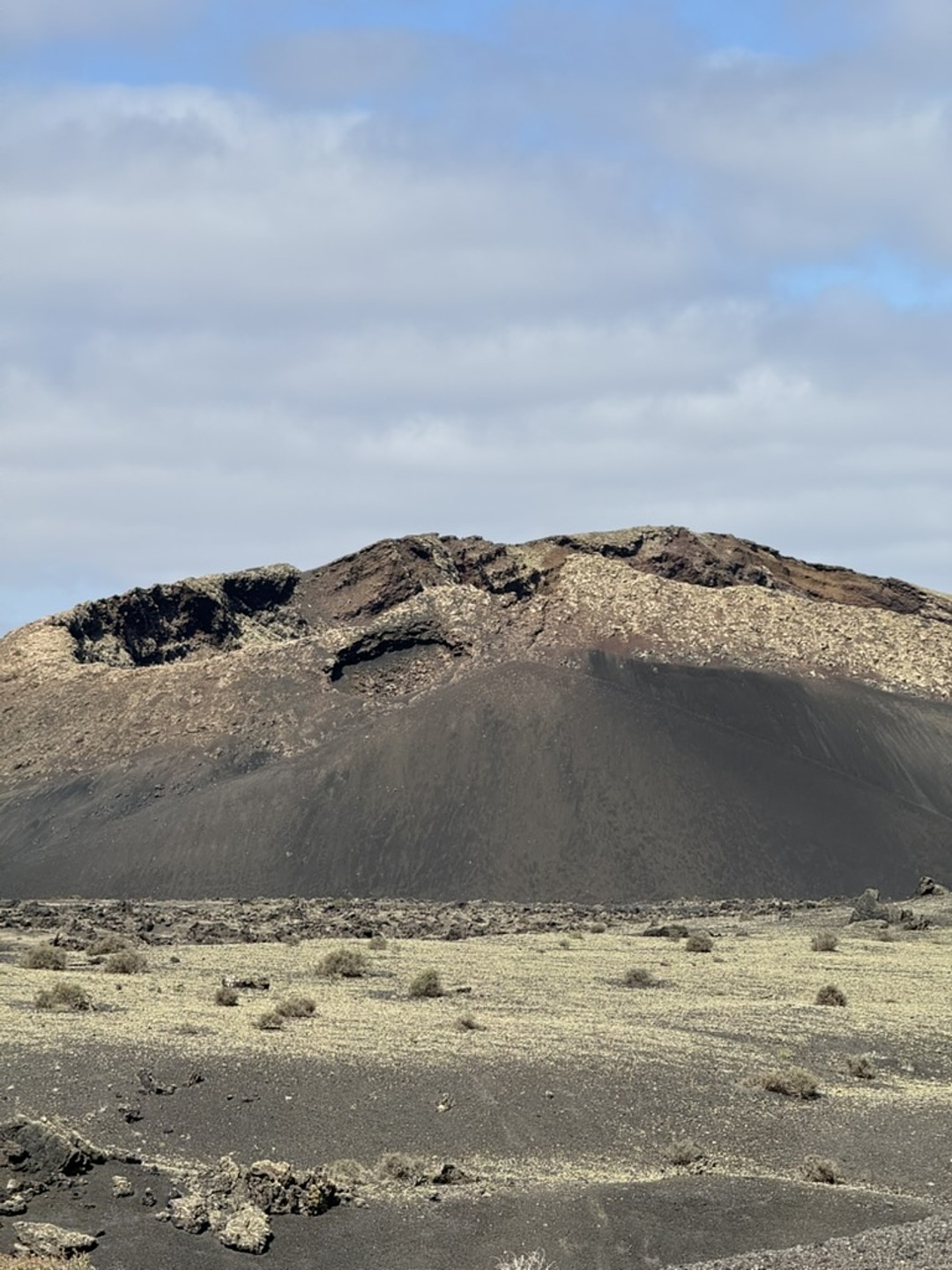
A lunar volcanic landscape so stark and silent it feels less like an island and more like another planet entirely. The Fire Mountains stretch in every direction — rust, ochre, charcoal — and at their centre, a restaurant that cooks over geothermal heat rising from the earth below. Go at sunrise for the camel rides, before the coaches arrive, when the light catches the ridgelines and you can hear nothing but wind and the crunch of volcanic gravel beneath your feet.
Tahíche · Art & Architecture
Manrique’s own home, built into and around five volcanic bubbles formed by lava flow. It is part gallery, part geological wonder, part manifesto for how human creativity and natural force can occupy the same space. The white-walled rooms open into subterranean caverns where tropical plants grow beneath skylights cut into the rock. Art meets lava. There is nothing else quite like it anywhere in the world.
Central Lanzarote · Wine Region
Thousands of crescent-shaped stone walls, called zocos, carved into the black volcanic soil to protect individual vines from the relentless trade winds. The result is one of the most visually extraordinary wine regions on earth — row upon row of small green plants sheltered in hollows of dark ash, producing a dry malvasía that tastes of mineral and sea air. Visit the small bodegas for tastings, stay for the silence, and time your arrival for the golden hour when the light against the volcanic walls is nothing short of extraordinary.
Haría · Architecture & Nature
An underground lake inside a lava tunnel, home to a species of tiny blind albino crabs found nowhere else on earth. Manrique transformed this natural cavern into a masterpiece of architecture within nature — a turquoise pool, tropical gardens, a concert hall built into the rock — all without disturbing the geological integrity of the space. It is theatrical and restrained in equal measure, and it will change the way you think about what architecture can be.
Southern Lanzarote · Beaches
A series of sheltered golden coves tucked beneath low cliffs at the southern tip of the island, where the water is impossibly clear and the sand is warm and fine. Reached by a dusty track that keeps the crowds thin, Papagayo feels like a secret even though it appears on every map. Arrive before ten in the morning and you will likely have an entire cove to yourself, the kind of swimming that stays with you long after you leave.
El Golfo · Natural Landmark
An eerie green lagoon sitting in the half-collapsed crater of a volcano, backed by towering ochre and black cliffs that drop straight into the Atlantic. The colour — vivid, almost unnatural — comes from a rare algae that thrives in the mineral-rich water. You cannot swim here, but you do not need to. Standing on the cliff edge above it, watching the waves break against the dark rocks below, is one of those rare moments where the landscape does all the talking.
Famara
Perched on the clifftop above Famara beach with views that stretch all the way to La Graciosa, El Risco serves the kind of seafood that reminds you why location matters. The catch of the day, simply grilled, a glass of local white, and a table overlooking the Atlantic. Do not rush lunch here. The afternoon will wait.
Yaiza
A family-run restaurant in one of the prettiest villages on the island, serving traditional Canarian stews and slow-cooked meats in a dining room that has barely changed in decades. The kind of place where the owner brings you things you did not order because he thinks you should try them, and he is always right. Honest, unhurried, deeply local.
Playa Blanca
Modern Canarian cooking with volcanic ingredients — smoked cheeses, cactus, sea herbs, fish pulled from the water that morning — served on a sunset terrace that faces directly west. The menu is inventive without trying too hard, the wine list leans local, and by the time dessert arrives the sky has turned every shade of copper and rose. A beautiful place to end a day.
Mácher
Tucked into the hillside above the southern coast, La Tegala is probably the best meal on the island. Contemporary island cuisine that takes Canarian traditions and elevates them with precision and restraint — the tasting menu is exceptional, the sommelier passionate, and the terrace views across the volcanic landscape toward Fuerteventura are the kind you photograph and never quite believe are real.